Showing: 1 - 9 of 9 RESULTS
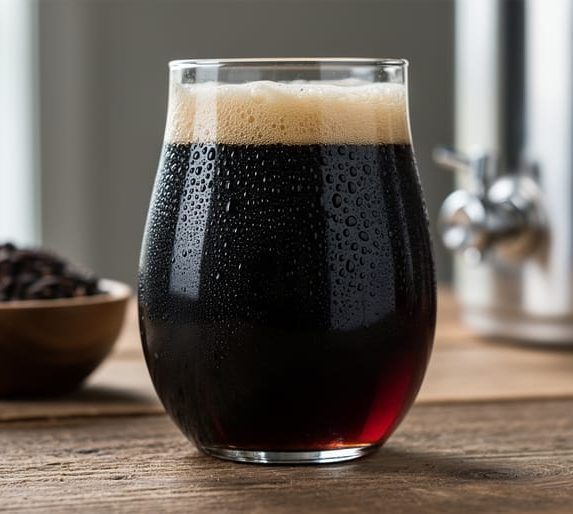
Close-up of a dark sour beer freshly poured into a glass with roasted grains and blurred homebrewing equipment in the background.

How to Brew Dark Sour Beer: A Step-by-Step Guide for Homebrewers

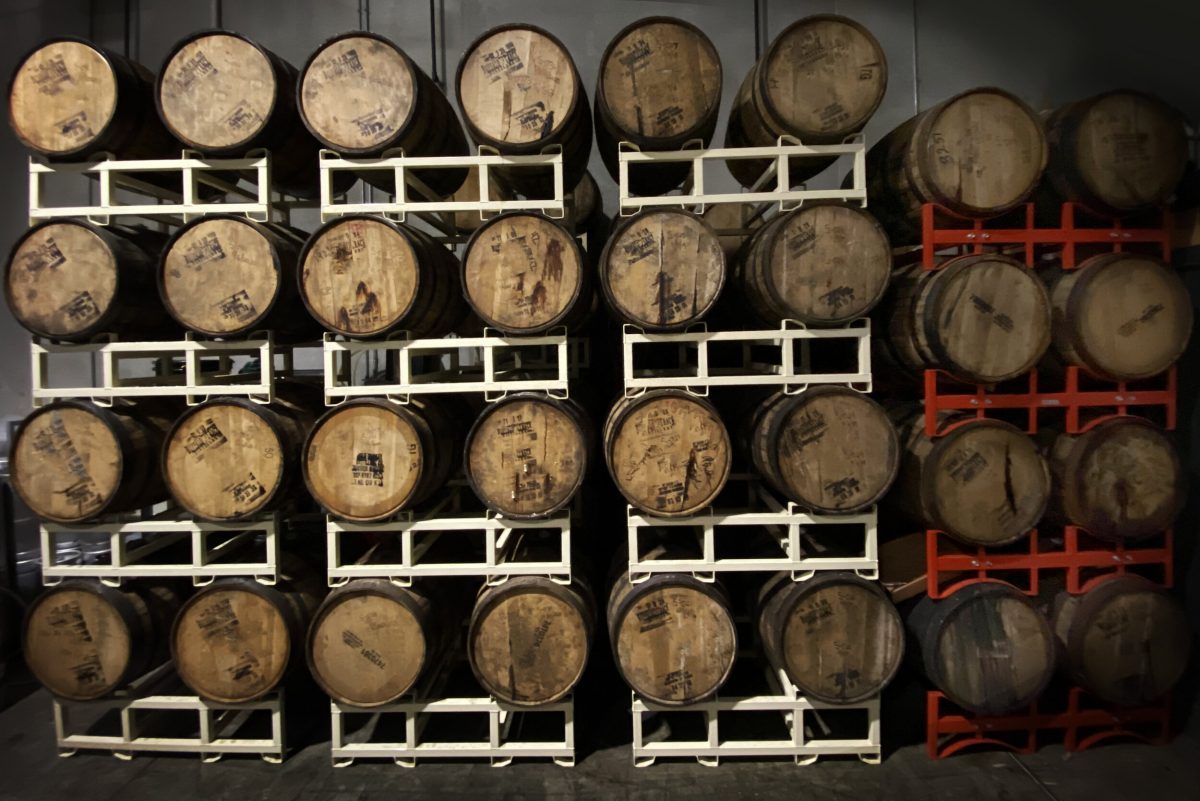
Brewing dark sour beer means guiding roasted malt and lactic acid bacteria through a careful fermentation dance that produces rich, complex beers balancing coffee, chocolate, and tart fruit notes. The process typically takes 6-12 months from grain to glass and requires managing two fermentation stages: a primary ale fermentation followed by extended souring with Lactobacillus or Pediococcus, often alongside Brettanomyces. Unlike conventional sour brewing that relies on pale malts to let acidity shine, dark sours demand precise malt selection to avoid overwhelming roast bitterness that clashes with tartness.
This hybrid style has …
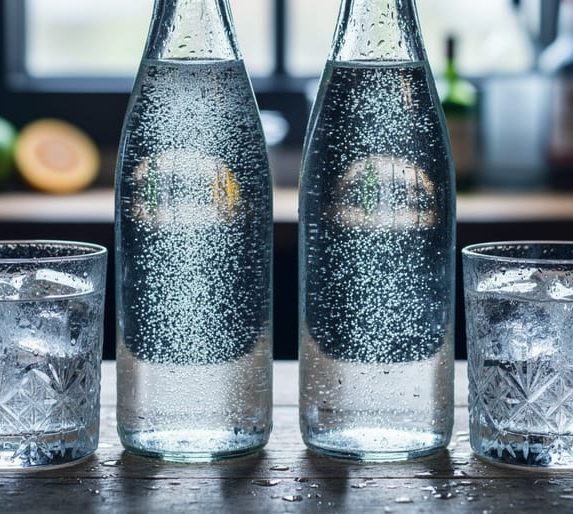
Two chilled carbonated water bottles and glasses with condensation and rising bubbles on a bar countertop under soft daylight.

What’s the Difference Between Club Soda and Sparkling Water? (And How They Work)

No, club soda and sparkling water aren’t the same, though the difference comes down to what happens after carbonation. Both are carbonated water at their core, but club soda contains added minerals like sodium bicarbonate, potassium sulfate, and sometimes sodium chloride, while sparkling water is simply natural water with gas added to it.
For brewers and cocktail enthusiasts, this distinction matters more than you might think. That subtle mineral addition gives club soda a slightly sharper, more neutral taste that can affect how it interacts with other ingredients, whether you’re building a beer cocktail or adjusting …

Clear glass fermentation carboy with pale beer and foam, stainless brewing kettle, and a bowl of bright fruit puree on a homebrewing workbench.

How to Brew Fruit Sour Beer: A Complete Step-by-Step Guide

Brewing fruit sour beer at home means pitching Lactobacillus or Pediococcus alongside Saccharomyces yeast, letting the mixture ferment for six to twelve months, then adding fruit puree during secondary fermentation to balance tart acidity with bright, natural sweetness. The process requires patience, temperature control between 65-75°F during souring, and careful sanitation to prevent unwanted bacteria from taking over your batch. You’ll spend about three hours on brew day, another hour adding fruit later, and the rest is waiting while biology does the work.
The reward for that patience is a glass of something truly special. …

Close-up of a condensation-covered glass pouring clear sparkling water with dense micro-bubbles, with subtle brewing equipment shapes blurred in the background.

Bubble Sparkling Water: The Fizzy Frontier Brewing Enthusiasts Are Exploring in 2026

Bubble sparkling water represents the natural intersection of carbonation science and consumer demand for zero-calorie, zero-sugar hydration, and if you’ve spent time perfecting CO2 levels in your homebrew, you already understand why carbonation quality matters in any beverage. This emerging category within the non-alcoholic beverages market (projected to reach $1,185.30 billion by 2030, according to Grand View Research) applies the same brewing fundamentals you use to carbonate beer: controlled CO2 dissolution, precise pressure management, and water chemistry …

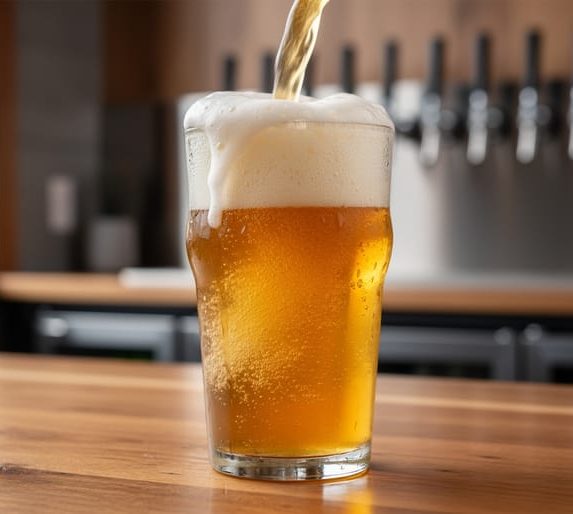
Fresh pour of non-alcoholic craft beer with thick foam in a pint glass at a Colorado brewery bar.

What Are N/A Craft Beers (and How Do They Work)?

N/A craft beers are full-flavored, artisan-brewed beers that contain less than 0.5% alcohol by volume, crafted using the same quality ingredients and brewing techniques as their alcoholic counterparts but with the alcohol removed or minimized through specialized processes. Think of them as the real deal minus the buzz: these aren’t your grandfather’s fizzy, watery non-alcoholic beers that tasted like cardboard dipped in regret.
The non-alcoholic beer revolution has hit Colorado and the broader craft beer scene hard in 2026, and it’s about time. Brewers are finally treating N/A options with the same respect they&#…

Dry-Hopping Your Beer

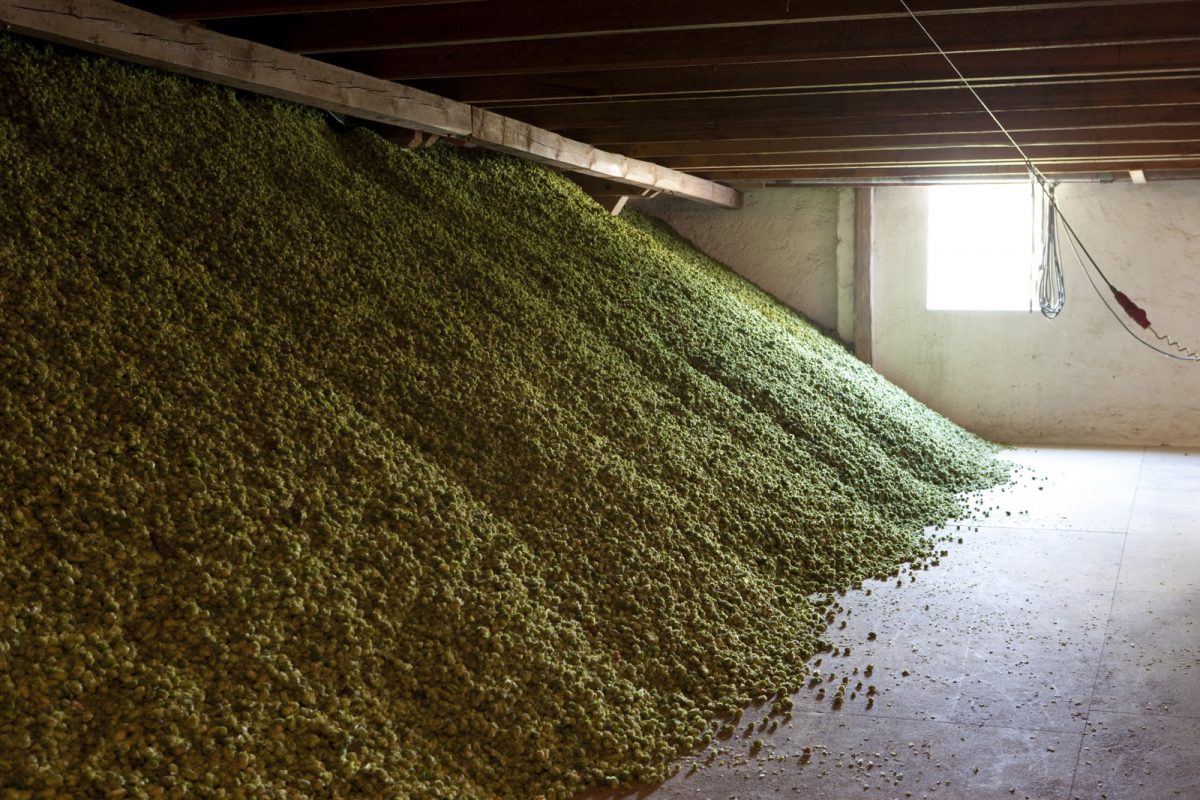
After the completion of primary fermenting, you then add hops back to the beer for it to steep. This is called dry-hopping.
One of the most fundamental ways to dry-hop your beer is to simply siphon it from the fermenter into another fermenter and then add hops. Through dry-hopping, the beer enhances its aroma. The question is, for how long should you dry-hop your beer?
24 hours of dry-hopping can already add a good amount of aroma. This will be more pronounced after 48-72 hours. After that, the aroma being added gets little and little. Leave it for several weeks, and the beer develops a slightly odd flavor. This should be …

Using a Hydrometer

A hydrometer is a tool to measure the density of a liquid in comparison to the density of water. In beer brewing, the hydrometer will show you to what degree the yeast is converting sugar to ethanol. The following are the steps involved in using a hydrometer:
Sampling and Inserting the Hydrometer
You take the first measurement after the cooldown. Retrieve a sample of the wort then place your hydrometer and allow it to rest. Wait until all the air has ascended. It is highly recommended that your hydrometer is positioned vertically.
Obtaining the Original Gravity Reading
There are specific gravity points that …

Carbonating Your Beer

One good way to carbonate your beer is by force carbonation. From a gas cylinder, you directly infuse CO2 into your beer. This is called forced carbonation or what others refer to as force-carbing. Overall, this is a much faster process than naturally creating CO2 in the bottle by putting leftover yeast in additional sugars.
The materials and equipment you will need in this process include a gas cylinder filled with CO2, a gas regulator, proper keg post liquid and line fittings, an unpressurized homebrew-filled keg, and a kegerator.
In this method, you need to use a lower level of CO2 pressure and carbonate the beer longer. …

How to Brew Beer

It is quite a scientific and an artistic feat to brew good beer. The process of doing so has a definite set of strict rules, but at the same time, these same rules are contrastingly flexible. This is why brewing beer is influenced by one’s creativity and personal interpretations. It does sound quite challenging, is it not? Well, truth be told, it is fairly simple.
You just have to follow these steps:
Sanitation/Cleaning
As for all food and beverage processes, cleaning is always the first step. This also holds true for brewing beer.
All equipment must be thoroughly sanitized and cleaned. This is a very …