 jennie
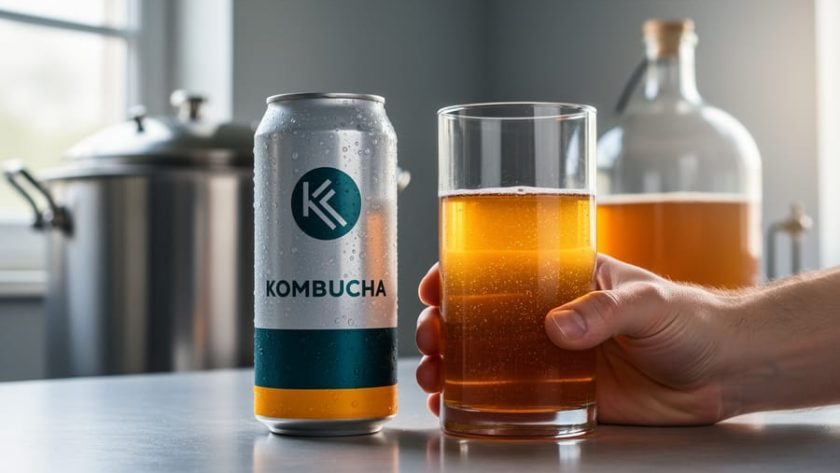
Better Booch is a premium small-batch craft kombucha brewed and canned in downtown Los Angeles, and for a beer drinker curious about fermented tea, it’s a worthwhile place to start. The brand says you can find it at more than 4,000 retailers nationwide, so you won’t need a special trip to try it. The lineup leans fruity and bright, with flavors like Citrus Sunrise, Guava Cooler, Yuzu Ginger, Hibiscus Healer, and a limited release Blood Orange Passionfruit.
Why should a Colorado brewer care? Kombucha is a cousin of what we do. A culture of yeast and bacteria turns sweet tea into something tart and complex, much like a wort becomes beer. The origin of kombucha is murky, but the fermentation logic will feel familiar to anyone who has ever babysat a carboy.
We’ll walk through the flavor lineup, then read the labels the way you’d read a brewery’s spec sheet. The Blood Orange Passionfruit, for example, lists 50 calories, 8g of sugar (6g of it added), and a Native+ synbiotic blend. Those details tell you a lot about what’s in the can. By the end, you’ll know whether Better Booch earns a spot in your fridge next to the lagers.
Why Beer Brewers Keep Circling Back to Booch
Kombucha vs. Beer: Same Playground, Different Rules
Think of beer and kombucha as two games played on the same field. Both start with a sweet liquid and a hungry culture, but the rules shift fast once the whistle blows.
Beer begins with malted grain, usually barley, mashed to pull out fermentable sugars. Kombucha begins with brewed tea, sweetened and handed to a culture. Better Booch, for example, lists organic kombucha tea as the first ingredient on its Blood Orange Passionfruit label. The culture matters just as much. Brewers pitch a single, carefully chosen yeast strain. Kombucha relies on a community of bacteria and yeast working side by side.
| Category | Beer | Kombucha |
|---|---|---|
| Base ingredient | Malted grain and water | Brewed tea and sugar |
| Fermentation culture | Single brewer’s yeast strain | Mixed bacteria and yeast culture |
| Flavor goal | Malt, hop and yeast character | Bright, tangy, fruit-and-tea balance |
| Brewing mindset | Control and consistency | Managing a living community |
Flavor goals split in a similar way. A brewer might chase toasty malt, hop bitterness, or a clean lager finish. Kombucha makers usually aim for a lively tang that plays nicely with fruit, ginger, or florals. If you’ve explored our fruited sours comparison you’ll see where the two worlds overlap most.
One note on expectations: kombucha is its own beverage, and this comparison is about process and flavor. Treat it as a curious fermentation cousin, not a stand-in for anything else.
Meet Better Booch: The Key Details
Here’s what we can say with confidence about Better Booch, and where the picture gets fuzzy.
The basics
– What it is: Premium small craft kombucha.
– Where it’s made: Brewed and canned in downtown Los Angeles.
– Format: Cans, sold singly and in 12-packs, including variety packs.
Where to find it
The brand says it’s on shelves at retailers nationwide, but the number depends on which page you read. Better Booch has claimed both 4,000+ and 5,000+ retailers. Those are the brand’s own figures, not independently verified, so I won’t pin it to one count. If you’re hunting a can near you in Colorado, your best bet is the brand’s own store locator rather than a headline number.
What’s in the lineup
The core flavors include Citrus Sunrise, Guava Cooler, Yuzu Ginger, Mango Delight, Blood Orange Passionfruit, Hibiscus Healer, Island Hopper, and Ginger Boost. There’s also a Tropical Variety Pack and a Best Sellers Variety Pack. We’ll dig into the full flavor list shortly, so consider this the quick look.
What about price?
I couldn’t confirm price points, so I’m not going to guess. Prices shift by retailer, region, and pack size, and a number pulled from memory would only mislead you. Check the shelf tag or the brand’s site before you plan a purchase.
Think of this section as the label on the tank: the verified facts, plainly stated, with the unknowns marked as unknown. That’s the kind of transparency a brewer appreciates, and it’s a good habit to carry into any can you pick up.
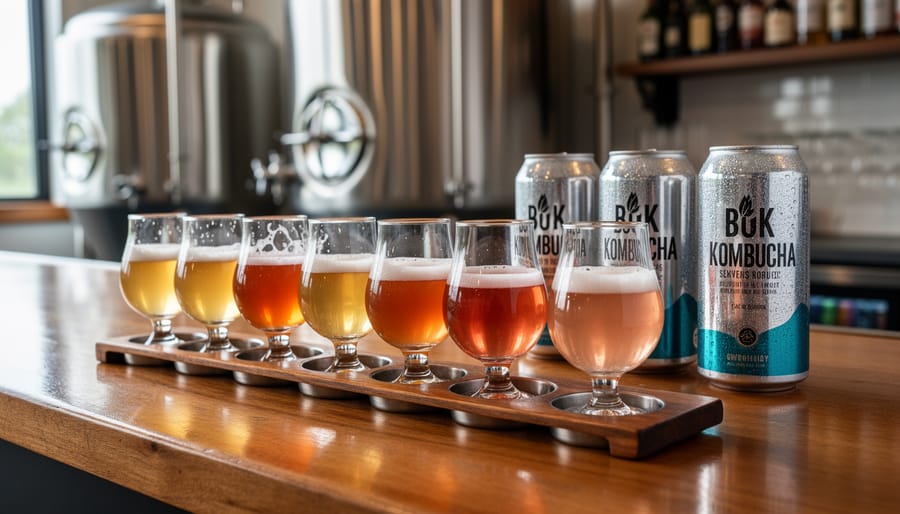
The Flavor Lineup, Through a Brewer’s Palate
Variety Packs: The Smart Way to Sample
Anyone who’s ever grabbed a beer sampler pack knows the logic: you don’t commit to twelve of the same thing when you’re still figuring out what you like. Booch works the same way. Better Booch sells its flavors in 12-packs, and it also offers a Tropical Variety Pack and a Best Sellers Variety Pack that act like a tasting flight in a box.
Think of the Tropical pack as your fruit-forward lane, a bit like lining up a few fruited sours side by side. The Best Sellers pack is closer to a “greatest hits” lineup, which is a handy shortcut when you don’t know where to start.
Drink them over a few evenings and take quick notes on sweetness, tartness, and fizz. Pour two flavors into small glasses and compare them the way you’d judge two pale ales. By the last can, you’ll know which flavor deserves a full 12-pack next time.
Reading the Can: Blood Orange Passionfruit Under the Microscope
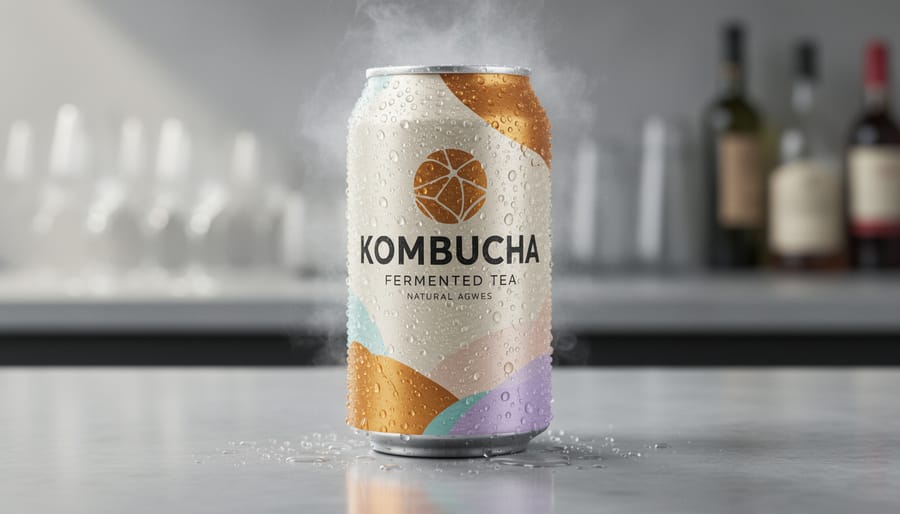
A brewer reads a recipe sheet for what’s in the batch and what’s left in the glass. A kombucha can works the same way, and the Blood Orange Passionfruit label is a handy case study.
Start with the ingredients, listed in order: organic kombucha tea, Native+ synbiotic blend, organic orange peel, organic passion fruit juice, organic passion fruit flavor, and organic blood orange flavor. The base is the fermented tea, the “wort” of this world. Then comes the brand’s synbiotic blend, followed by the fruit and flavor additions. Notice the split between juice and flavor: passion fruit shows up as both, while blood orange is listed as a flavor. That’s the kind of detail a brewer clocks, like noting whether a fruited sour used puree or extract.
Now the nutrition panel:
| Label line | Per serving | What it tells you |
|---|---|---|
| Calories | 50 | The overall energy load |
| Total fat / protein | 0g / 0g | Neither is a factor here |
| Sodium | 20mg | A small amount, mostly background |
| Total carbohydrates | 13g | Everything counted, including sugars and fiber |
| Dietary fiber | 3g | The portion of those carbs that is fiber |
| Sugars / added sugar | 8g / 6g | Total sugar in the can vs. sugar added on top |
Here’s the plain-language version of the sugar lines. Total sugars covers every sugar in the can, whatever its source, including what’s naturally present from the fruit and tea ferment. Added sugar is the portion put in during production. So 8g total with 6g added means roughly 2g came along on its own.
If you brew, think residual sugar. In beer, it’s the unfermented sweetness left after the yeast finishes its work, and it shapes body and balance. The label’s sugar lines are the kombucha version of that finishing gravity reading: a snapshot of what’s sweet in the glass. It tells you about flavor and balance, nothing more.
What Makes a Booch ‘Better’? A Brewer’s Checklist
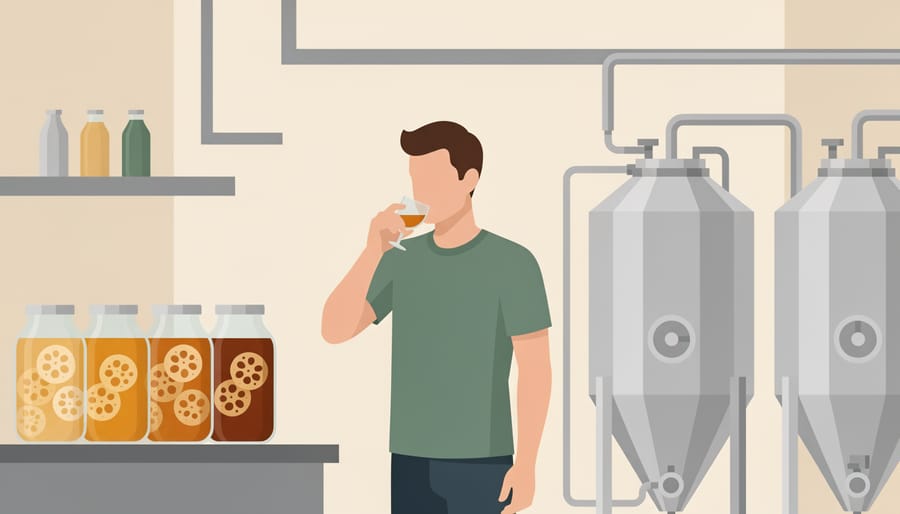
Judging a kombucha isn’t far from judging a pint. You’re looking for balance, freshness, and honesty. Here’s a simple checklist that works for any craft booch.
Ingredient transparency. A good label reads like a clear recipe sheet. If you can see the tea, the fruit, and the flavorings listed plainly, that’s a good sign, the same way a brewery that shares its grain bill earns your trust.
Organic sourcing. Organic ingredients aren’t a guarantee of quality, but they show the brewer cares about what goes into the kettle, much like choosing quality malt and hops.
Sweetness versus tartness. This is your balance test. A great kombucha has enough acidity to keep sweetness from going syrupy, the way a well-built sour ale or hoppy pale ale keeps malt in check.
Freshness. Kombucha is a living ferment, so a fresh can usually tastes brighter and cleaner, just like a fresh IPA.
Carbonation. Look for lively, fine bubbles rather than flat or foamy-gushing. If you want to understand why, the carbonation basics behind beer translate surprisingly well.
Flavor integrity. The fruit and spice should taste like themselves, not like candy.
To compare at home, chill two or three kombuchas to the same temperature and pour small samples into identical glasses. Smell first, then sip, and jot quick notes on sweetness, tartness, and fizz. Don’t worry about fancy vocabulary. If you can say which one you’d finish a full glass of, you’re already tasting like a brewer.
Booch Meets Colorado: Pairing, Mixing, and Local Brewing Culture
Colorado has a way of blending trail days and taproom nights into one long, happy loop. Kombucha slots into that rhythm easily. After a hike up to a ridgeline, a cold can of something fruity and fizzy can feel like the right reset before you head for a pint. A flavor like Blood Orange Passionfruit or Guava Cooler is a natural fit for a sunny patio afternoon.
It also solves a real taproom problem. Plenty of folks want to sit with the group, trade tasting notes, and stay clear-headed, whether they’re driving or just pacing themselves. More Colorado spots are leaning into non-alcoholic craft options, and a well-made booch gives the designated driver something with real character, not a sad soda.
For homebrewers, the kitchen-counter angle is where it gets fun. Fruit-forward kombucha flavors are a handy idea bank for fruited sours, wheat beers, or a citrus-and-ginger experiment. Sip a Yuzu Ginger or Hibiscus Healer and ask yourself what that balance of tart, sweet, and spice would look like in a fermenter. You’re borrowing flavor ideas here, not a recipe, so treat them as a spark for your next batch.
Booch Kombucha Questions, Answered
Short answers to the stuff readers ask us most, from one fermentation nerd to another.
Is “booch” the same as kombucha?
Yes. “Booch” is just casual shorthand for kombucha, the same way plenty of us say “brew” for beer. Better Booch uses the nickname right in its name.
How is kombucha different from beer?
Kombucha starts with sweetened tea and a culture of bacteria and yeast, while beer starts with malted grain and a brewer’s yeast. The flavor goals differ too: kombucha leans tart and bright, and beer covers a much wider range.
Where can I find Better Booch?
The brand says it’s stocked at thousands of retailers nationwide, though its own retailer-count figures vary. Your best bet is the store locator on the brand’s website, since I can’t promise what’s on any given Colorado shelf.
What’s the best flavor to start with?
If you like citrus-forward wheat beers, try Citrus Sunrise or Blood Orange Passionfruit. Not sure yet? Grab the Best Sellers Variety Pack and treat it like a tasting flight.
One last note: I’m skipping price talk, since I couldn’t confirm any numbers, and I’m steering clear of health claims. Check the can’s label and decide for yourself, the same way you’d read a beer’s spec sheet.
Booch kombucha isn’t going to replace your favorite pint, and it doesn’t need to. It’s a fermentation-friendly niche that rewards the same curiosity that got you brewing in the first place. Better Booch, canned in downtown Los Angeles, makes a craft-minded way in, with a lineup that runs from Yuzu Ginger to Blood Orange Passionfruit.
My advice? Grab a variety pack, line up a few cans, and taste them the way you’d judge a flight at the taproom. Look at balance, sweetness against tartness, carbonation, and how the fruit holds up. Jot down what you notice. You might just walk away with a few ideas for your next fruited homebrew.
And if you do start experimenting, whether that’s a kombucha batch, a tepache, or a beer inspired by something you sipped, tell us how it turned out. Now go get outside, pour something good, and enjoy it.