 jennie
 N/A craft beers are full-flavored, artisan-brewed beers that contain less than 0.5% alcohol by volume, crafted using the same quality ingredients and brewing techniques as their alcoholic counterparts but with the alcohol removed or minimized through specialized processes. Think of them as the real deal minus the buzz: these aren’t your grandfather’s fizzy, watery non-alcoholic beers that tasted like cardboard dipped in regret.
The non-alcoholic beer revolution has hit Colorado and the broader craft beer scene hard in 2026, and it’s about time. Brewers are finally treating N/A options with the same respect they’d give an IPA or stout, using cutting-edge dealcoholization methods like vacuum distillation and reverse osmosis to preserve hop character, malt complexity, and that satisfying mouthfeel we all crave. The result? Beers you’d actually choose to drink, not just tolerate because you’re the designated driver.
What’s driving this shift? The math is simple. More people want the craft beer experience without the alcohol, whether they’re training for a marathon, staying sharp for early morning meetings, or just opting out of hangovers. Colorado breweries have jumped in with both feet, and national brands are following suit with options that rival traditional craft beers in everything but ABV.
This guide breaks down exactly what N/A craft beers are, how brewers actually make them (spoiler: it’s more complex than you think), the different styles worth trying, and when these beers make the most sense. We’ll also explore how they stack up against options like K craft beer and whether the flavor really delivers on the promise.
What N/A Craft Beers Really Are
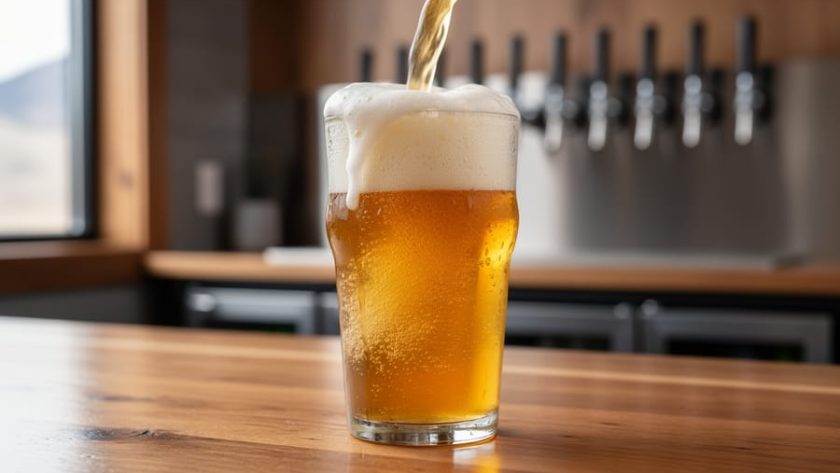
N/A craft beers are brews made with full brewing skill and quality ingredients, then dealcoholized or fermented to produce minimal alcohol, landing at or below 0.5% alcohol by volume. That’s the legal threshold in the United States where a beverage can be labeled non-alcoholic, governed by ABV below 0.5% rules that distinguish these products from standard beer. The “N/A” shorthand stands for non-alcoholic, though you’ll also see “alcohol-free” or “zero-proof” used interchangeably in the market.
What separates N/A craft beers from the watery near-beers your grandfather avoided is the craft brewing philosophy. Traditional non-alcoholic options were often brewed cheap and tasted cheaper, treated as afterthoughts for designated drivers. Craft brewers approach N/A beer as a legitimate brewing challenge, applying the same attention to malt bills, hop selection, water chemistry, and yeast strains they’d use for any flagship IPA or stout. The result is beers that taste like beer, not like apology beverages.
- N/A
- Non-alcoholic designation for beverages containing less than 0.5% ABV, the legal threshold in the U.S. for alcohol-free labeling.
- ABV (Alcohol By Volume)
- The percentage of a beverage’s total volume that is pure alcohol. Standard beers typically range from 4-7% ABV, while N/A versions stay under 0.5%.
- Craft Designation
- Beers brewed with traditional methods, quality ingredients, and innovative techniques by independent or small-batch breweries focused on flavor rather than mass production.
- Dealcoholization
- The process of removing alcohol from fully fermented beer through techniques like vacuum distillation or reverse osmosis, preserving flavor while reducing ABV.
The craft beer movement has legitimized N/A brewing by proving you can deliver hop character, malt complexity, and balanced bitterness without the buzz. Colorado breweries in particular have embraced this challenge, treating non-alcoholic releases with the same seriousness as their award-winning IPAs. These aren’t compromises. They’re craft beer basics applied to a different end goal, creating options for moments when you want flavor without alcohol’s effects.
How N/A Craft Beers Are Made
Arrested Fermentation
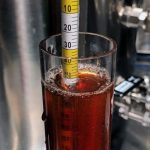
Arrested fermentation is the most traditional method for creating non-alcoholic beer, though it’s trickier than it sounds. Brewers start the process normally, mashing grain, boiling with hops, and pitching yeast, but they carefully monitor the fermentation and halt it before yeast can produce significant alcohol, typically stopping when the beer reaches 0.5% ABV or less.
The challenge? Yeast doesn’t just create alcohol; it develops flavor complexity, body, and carbonation. Stop fermentation too early, and you’re left with sweet, under-attenuated wort that tastes more like unfinished beer than a craft beverage. Colorado brewers experimenting with this method have found success by adjusting their grain bills to compensate, using more complex malts, specialty grains, and extra hops to build flavor depth that would normally come from fermentation.
Temperature control is critical. Brewers might ferment at cooler temperatures or use special low-attenuating yeast strains that naturally produce less alcohol while still contributing esters and character. Some combine arrested fermentation with post-production techniques, adding carbonation separately and dry-hopping to boost aroma without relying on active fermentation.
Dealcoholization After Brewing
Dealcoholization after full fermentation is the more common approach among craft brewers because it lets them build complete flavor profiles before removing alcohol. Two primary methods dominate the craft N/A beer landscape: vacuum distillation and reverse osmosis.
Vacuum distillation works by reducing atmospheric pressure inside a sealed chamber, which lowers alcohol’s boiling point from 173°F down to around 85°F. At this gentler temperature, alcohol evaporates while preserving more of the beer’s delicate hop aromatics and malt character. Think of it like cooking vegetables at lower heat to retain nutrients, the principle is similar. Colorado’s Breckenridge Brewery uses a form of vacuum distillation for their N/A line, carefully controlling temperature and time to maintain the flagship flavors their drinkers expect.
Reverse osmosis takes a different path. The beer passes through specialized membranes that separate water, alcohol, and flavor compounds into distinct streams. Brewers then recombine everything except the alcohol, rebuilding the beer’s original profile. It’s precise but equipment-intensive, which is why you’ll find it mainly at larger craft operations. New Belgium’s N/A offerings employ this method, and head brewer interviews suggest they’re achieving remarkably close matches to their alcoholic counterparts by fine-tuning the recombination ratios.
Innovative Brewing Techniques
Craft brewers in 2026 are pushing beyond traditional dealcoholization with hybrid approaches that challenge how we think about N/A craft beers. Some Colorado operations now ferment with specially engineered yeast strains that naturally produce minimal alcohol while developing complex flavor compounds previously lost in standard methods. Others are exploring osmotic concentration techniques borrowed from food science, which intensify hop and malt character before controlled fermentation begins. A few innovative breweries combine arrested fermentation with post-brewing hop adjustments, creating layered aromatics that mirror their full-strength counterparts. These experimental pathways often draw inspiration from adjacent beverage categories, understanding how K works in wine production, for instance, has informed some brewers’ approaches to managing flavor extraction without alcohol development. The result is N/A beers that taste genuinely crafted rather than processed.
Types of N/A Craft Beers You’ll Find
Hop-Forward Styles
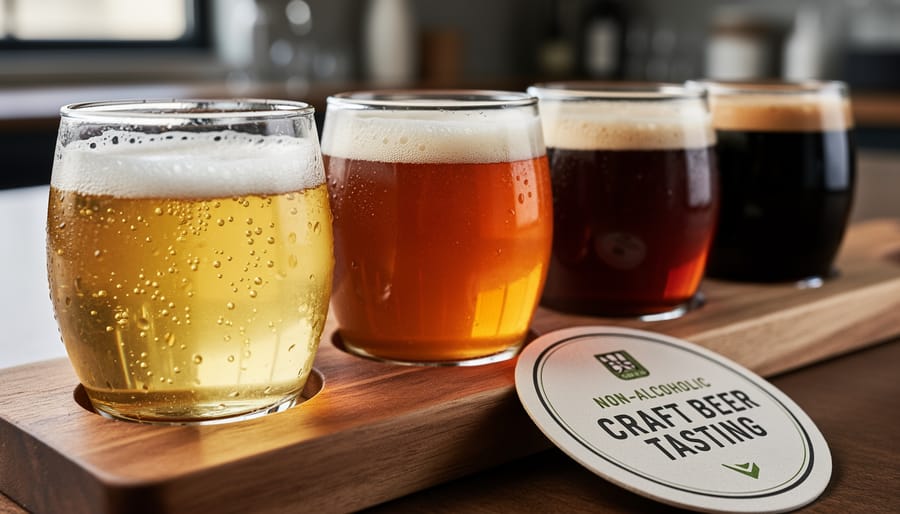
IPAs and pale ales have become the flagship styles for N/A craft beers, and it’s not hard to see why. Hop aromas and flavors, citrus, pine, tropical fruit, shine through even without alcohol, unlike malt-heavy styles that can taste thin when dealcoholized. Colorado brewers like Breckenridge Brewery and Upslope have nailed hop-forward N/A options that deliver the resinous bite and floral notes craft beer fans crave. The aggressive hopping masks any slight sweetness from arrested fermentation while providing the flavor punch that makes these beers stand on their own. For taste and pairing purposes, N/A IPAs work beautifully with spicy foods, grilled meats, and sharp cheeses, anywhere a traditional IPA would excel, these non-alcoholic versions deliver nearly identical flavor profiles that complement rather than compromise the experience.
Malt-Driven and Dark Beers
Stouts, porters, and amber ales translate remarkably well to non-alcoholic formats because their flavor foundations rely more on malt character than alcohol warmth. These darker beers get their richness from roasted grains, chocolate malts, and caramel notes, elements that survive dealcoholization intact. Colorado brewers working in N/A craft beers have found that a robust oatmeal stout or coffee porter actually loses less in translation than lighter styles, since the malt complexity and body mask any thinness that removing alcohol might introduce. The roasted bitterness in a good N/A stout still cuts through, the creamy mouthfeel from oats and lactose remains, and the finish stays satisfying. Amber ales and brown ales fare similarly well, their toasted malt sweetness and nutty depth carrying the beer without needing alcohol’s weight. These styles prove that non-alcoholic craft beers can deliver full-bodied drinking experiences when brewers start with solid malt recipes rather than trying to compensate after the fact.
Specialty and Experimental N/A Beers
Beyond the hop-forward IPAs and malt-rich stouts, Colorado’s N/A craft brewers are getting adventurous with sour and fruit-forward styles that showcase what’s possible when you remove alcohol constraints. Kettle-soured N/A beers from Denver’s Berthoud Brewing have proven that lactic fermentation works brilliantly at low ABV levels, delivering sharp acidity without the booze. Fruit additions shine in non-alcoholic formats because the residual sugars from arrested fermentation complement berry, citrus, and stone fruit character without the cloying sweetness of juice.
The real frontier lies in hybrid experiments, brewers are blending kombucha techniques with traditional malt bases, adding adaptogens like ashwagandha for functional benefits, and aging N/A beers with wild yeasts to develop complexity previously thought impossible without alcohol as a flavor carrier. These experimental batches often appear as limited releases at Colorado taprooms before wider distribution, giving local drinkers first access to styles that will define the next generation of N/A craft beer.
Where and How to Enjoy N/A Craft Beers
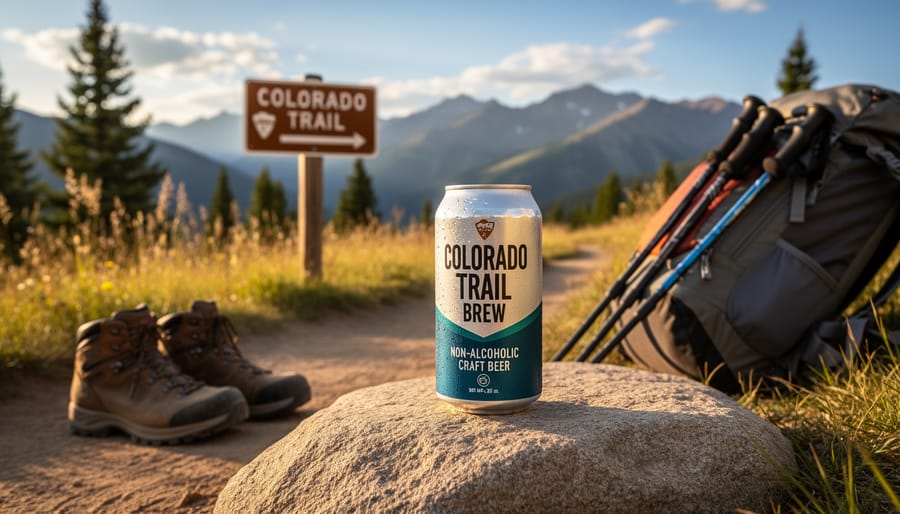
N/A craft beers fit seamlessly into dozens of everyday situations where you want flavor and refreshment without the buzz. The designated driver scenario is obvious but underappreciated, you’re not stuck with soda or water when your friends order a round. You get the same hop bite or roasted malt complexity they’re enjoying. Colorado’s trail culture has pushed N/A options into mainstream outdoor recreation. Hikers pack cans for summit celebrations, mountain bikers stash them in camelbaks for post-ride recovery, and climbers crack them open at the crag after sending a route. The hydration benefits and lower calories make them practical for athletic contexts where regular beer and wine would leave you sluggish.
Ideal occasions for reaching for an N/A craft beer include:
- Weekday lunches when you have afternoon meetings or work to finish
- Pregnancy and nursing periods when craving beer’s flavor profile
- Early morning tailgates or brunch gatherings before noon events
- Recovery days after hard workouts or long rides
- Late-night wind-down when you don’t want to disrupt sleep quality
- Social situations where you’re moderating intake but want to participate
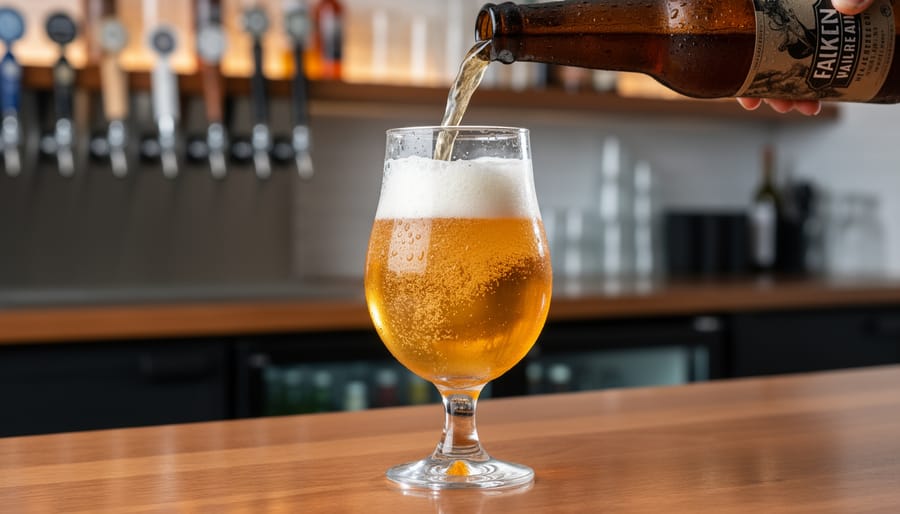
Serving temperature matters just as much as with alcoholic versions. Most N/A craft beers shine at 38-45°F, cold enough to be refreshing but not so frigid that flavors get muted. Pour them into proper glassware rather than drinking from the can, a tulip glass for IPAs, a pint glass for lagers, a snifter for stouts. The aromatic release improves the experience noticeably.
Food pairings follow the same principles as regular craft beer. Hop-forward N/A IPAs cut through fatty foods like burgers and pizza. Malt-driven styles complement grilled meats and roasted vegetables. A crisp N/A lager works beautifully with fish tacos or fresh oysters. Colorado brewers recommend treating these beers with the same respect you’d give their full-strength counterparts, they’ve earned it.
The Benefits Driving the N/A Craft Beer Movement
The surge in N/A craft beer popularity stems from a convergence of cultural shifts and brewing innovation that’s transformed these beers from compromise options into genuine preferences. Health-conscious drinkers have discovered they can enjoy complex, flavorful beers without the calories, dehydration, or next-day fog that come with alcohol. A quality N/A IPA delivers 50-80 calories per serving compared to 180-200 in its alcoholic counterpart, while maintaining the hop character and mouthfeel that make craft beer compelling.
The sober-curious movement has accelerated adoption far beyond people who avoid alcohol entirely. Younger drinkers in particular are rethinking the role of alcohol in their social lives, seeking moderation without sacrificing taste or ritual. Colorado’s outdoor culture has embraced this mindset enthusiastically. When you’ve just finished a trail run at elevation or you’re midway through a backpacking trip, an N/A craft beer offers refreshment and recovery hydration without compromising your afternoon plans or tomorrow’s summit attempt.
What’s truly shifted the category is that craft brewers now approach N/A production with the same rigor they apply to their flagship beers. Denver’s WeldWerks Brewing invested in specialized dealcoholization equipment specifically because they saw demand from athletes and designated drivers who wanted actual craft quality, not a watered-down substitute. Owner Neil Fisher notes that their N/A IPA outsells several alcoholic offerings during summer months, when customers want the flavor experience without impairment during daylight activities.
This elevation in quality means N/A craft beers have become legitimate choices rather than fallback options. You’re not settling when you reach for a well-crafted non-alcoholic pale ale at lunch, during pregnancy, on a work night, or simply because you want the taste without the buzz. That shift from compromise to preference represents the movement’s real momentum, and Colorado brewers have been instrumental in proving that N/A beers deserve respect as standalone craft achievements.
Common Questions About N/A Craft Beers

Do N/A craft beers actually taste like real beer?
Modern N/A craft beers come remarkably close to their full-strength counterparts, especially hop-forward styles where aromatic oils drive flavor more than alcohol content. You’ll notice subtle differences in body and mouthfeel, but quality producers have largely closed the gap through improved brewing techniques and careful recipe formulation.
Is there any alcohol at all in N/A craft beers?
Most N/A craft beers contain trace amounts, typically under 0.5% ABV by U.S. legal standards. For perspective, that’s less alcohol than many fruit juices and kombucha, though truly alcohol-free options (0.0% ABV) are becoming more available if you need to avoid even traces.
Where can I find N/A craft beers in Colorado?
Most craft-focused bottle shops and grocery stores with good beer selections now stock N/A options, and many Colorado breweries pour them on tap alongside regular offerings. Specialty shops in Denver, Boulder, and Fort Collins tend to carry the widest variety, including harder-to-find local releases.
Can I brew my own N/A craft beer at home?
Homebrewing N/A beer is tricky because most dealcoholization methods require specialized equipment, but you can experiment with arrested fermentation using low-attenuating yeasts and cold crashing early. Results vary widely, so many homebrewers stick to commercial N/A options when they want a reliable alcohol-free choice.
You might wonder about shelf life, too. N/A craft beers generally last as long as regular craft beer, with hop-forward styles best consumed fresh and malt-driven styles holding up longer. Check packaging dates and store them cold just as you would any quality craft beer.
Pricing sits slightly higher than comparable alcoholic versions in many cases, reflecting the extra processing steps required for dealcoholization. Colorado breweries typically charge $9 to $14 per six-pack, positioning N/A craft beers as premium products rather than budget alternatives. The investment pays off if you value craft flavor without the buzz.
How N a Craft Beers Works
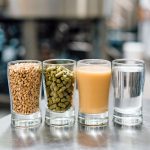
N/A craft beers work through a careful balancing act between brewing authentic beer flavor and controlling alcohol development. The brewer starts with the same quality ingredients and recipes you’d find in any craft beer, malted barley, hops, yeast, and water. The magic happens in how they manage fermentation and alcohol content.
Some brewers halt fermentation before yeast converts much sugar to alcohol, capturing malt sweetness and hop character early. Others let fermentation run its full course, then extract the alcohol afterward using gentle heat under vacuum or specialized filtration that pulls ethanol molecules through membranes while leaving flavor compounds behind.
Think of it like concentrating orange juice in reverse: instead of removing water to intensify flavor, brewers remove alcohol while preserving the beer’s aromatic oils, hop resins, and malt complexity. The challenge lies in retaining body and mouthfeel, since alcohol contributes texture and warmth that simply skipping creates won’t replace.
Colorado’s craft brewers have refined these techniques by experimenting with specialty malts that boost body, dry-hopping schedules that maximize aroma without bitterness, and carbonation levels that add the crisp, refreshing punch you expect from great beer, all while keeping alcohol below 0.5% ABV.
The rise of N/A craft beers represents one of the most exciting shifts in modern brewing. What started as a curiosity has evolved into a category where Colorado brewers and their counterparts nationwide are applying the same passion, innovation, and quality standards they bring to their alcoholic offerings. These aren’t compromise beers anymore, they’re thoughtfully crafted beverages that deliver genuine flavor, complexity, and satisfaction.
Whether you’re seeking healthier options, exploring sober-curious living, or simply want a great-tasting beer at lunchtime without the buzz, today’s N/A craft beers offer something worth your attention. The techniques have improved dramatically, the variety continues to expand, and Colorado’s pioneering spirit keeps pushing the boundaries of what’s possible.
If you haven’t explored N/A options recently, you might be surprised. Grab a four-pack from a local Colorado brewery experimenting in this space, or try one of the nationally recognized brands that have changed perceptions. You’re not settling when you choose non-alcoholic craft beer in 2026, you’re making an informed choice that fits your life while still honoring your appreciation for quality brewing.