 jennie
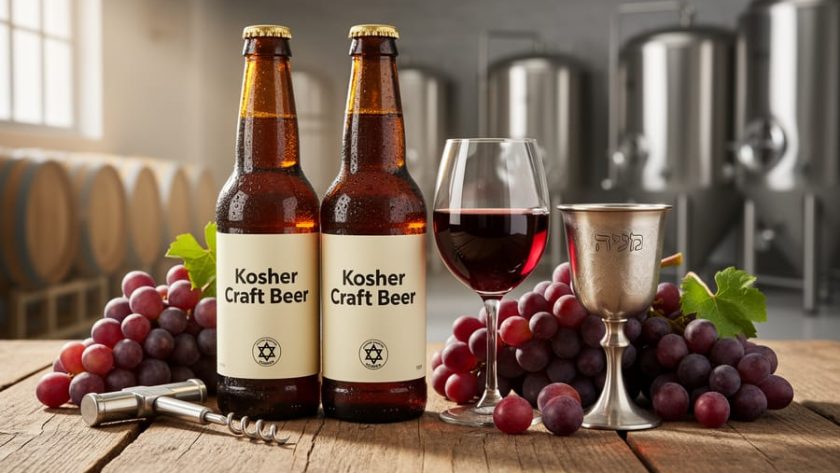
 K craft beer and wine refers to kosher-certified craft beverages that meet Jewish dietary laws while maintaining the quality standards and artisanal production methods that define the craft movement. The “K” designation (or sometimes “OU,” “OK,” or other symbols) indicates a product has been produced under rabbinical supervision, ensuring ingredients, equipment, and processes comply with kashrut requirements.
For craft beverage enthusiasts, kosher certification opens up an intriguing intersection of tradition and innovation. While mass-market kosher wines have been available for decades, the craft revolution has sparked a new generation of small-batch breweries and wineries combining ancient dietary guidelines with modern techniques like barrel aging, wild fermentation, and experimental hop varieties. The result challenges old stereotypes about kosher products being generic or low-quality.
The craft kosher market has grown substantially as producers recognize demand from observant Jewish consumers seeking better options and curious drinkers drawn to the craftsmanship these beverages represent. Production involves more than slapping a certification symbol on a label. Brewers and winemakers work closely with kosher supervisors to source approved ingredients, maintain separate or thoroughly cleaned equipment, and document every step of production. Grape-based products face especially strict requirements, including handling restrictions that influence winemaking choices.
This article breaks down what makes craft beer and wine kosher, how certification works without compromising creativity, the different types of kosher craft beverages you’ll encounter, and when choosing kosher options makes sense for your cellar or tap list. Whether you’re observant, hosting guests with dietary needs, or simply exploring new corners of the craft beverage world, understanding kosher craft production reveals another dimension of brewing and winemaking artistry.
What Is K Craft Beer and Wine?
The “K” in K craft beer and wine stands for kosher certification, a designation indicating that these beverages have been produced under rabbinical supervision to meet Jewish dietary laws. While kosher certification has existed for decades in mass-market beverages, K craft beer and wine represents a newer intersection where artisan producers combine traditional craft brewing and winemaking techniques with the stringent requirements of kosher standards.
Kosher certification requires that all ingredients, equipment, and production processes comply with kashrut, the Jewish dietary code. For craft producers, this means working with a mashgiach (rabbinical supervisor) who oversees the entire operation from ingredient sourcing through bottling. The supervision ensures that no non-kosher ingredients enter the process, all equipment is properly cleaned and dedicated, and production follows established protocols.
What distinguishes K craft beer and wine from conventional kosher beverages is the commitment to small-batch production, quality ingredients, and innovative flavor profiles that define the craft movement. A kosher IPA from a craft brewery uses the same hop varieties and brewing creativity as any other craft IPA, it simply adheres to additional dietary requirements during production. Similarly, kosher craft wines are made with premium grapes and modern winemaking techniques, not industrial shortcuts.
- Kosher Certification
- Official verification by a rabbinical authority that a product meets Jewish dietary laws, indicated by symbols like the OK Kosher K symbol or OU. The certification process involves ingredient approval, equipment standards, and ongoing supervision.
- Mashgiach
- A rabbinical supervisor who oversees kosher production to ensure compliance with dietary laws. In craft beverage production, the mashgiach works alongside brewers and winemakers throughout the process.
- Pareve
- Foods or beverages that contain neither meat nor dairy, making them compatible with any kosher meal. Most beer and wine naturally falls into this category, simplifying certification.
- Craft Standards
- Quality benchmarks for small-batch production including ingredient quality, traditional techniques, and independent ownership. Kosher craft producers maintain these standards while adding religious certification requirements.
The result is beverages that serve both observant consumers seeking kosher options and anyone who values the transparency and quality control that dual certification provides. A kosher craft brewery must document every ingredient and process, creating an additional layer of accountability beyond standard craft practices.

How K Craft Beer and Wine Production Works
The Certification Process
Getting kosher certification starts long before the first batch. A craft producer contacts a recognized kosher certifying agency, organizations like the Orthodox Union (OU), OK Kosher, or Star-K that specialize in food and beverage oversight. The agency assigns a representative who reviews everything: ingredient suppliers, equipment, production methods, even cleaning protocols.
Next comes the ingredient audit. Every raw material must be certified kosher, from malt and hops to yeast strains and fining agents. Some common brewing additives that work fine in conventional production won’t pass muster, certain clarifying agents derived from non-kosher sources get replaced with alternatives like Irish moss or plant-based options.
The facility inspection follows. The certifying agency examines the brewery or winery layout, identifying any shared equipment that might contact non-kosher products. Producers either dedicate specific tanks and lines exclusively to kosher runs, or they perform a kashering process, a thorough cleaning and purging ritual that renders equipment acceptable for kosher use.
Once approved, the producer receives certification and can display the agency’s symbol on labels. But it’s not one-and-done. Annual renewals require updated ingredient documentation, ongoing supervision fees, and periodic facility re-inspections. Some agencies demand advance notice before production runs so a mashgiach can be present. This ongoing relationship ensures standards don’t slip as recipes evolve or suppliers change.

Brewing and Winemaking Under Supervision
Working alongside a mashgiach doesn’t mean sacrificing creativity, it means building it into a framework that maintains kosher integrity. The supervisor, often a rabbi or trained professional, oversees critical production stages: grain selection, yeast addition, ingredient handling, and equipment cleaning. They verify that every component meets kosher standards and ensure the process follows halacha from start to finish.
For craft brewers, this collaboration becomes part of the workflow. The mashgiach might check that specialty malts carry kosher certification, witness hop additions, and confirm that fermentation vessels are dedicated or properly kashered between batches. During barrel aging or dry-hopping, techniques that define modern craft beer, the supervisor ensures these innovations don’t compromise kosher status. Many brewers report that this oversight actually tightens quality control, since the mashgiach scrutinizes ingredient sourcing and cross-contamination risks.
Winemaking requires even stricter supervision. From crush through bottling, the mashgiach must be present whenever wine contacts equipment or air. Only Sabbath-observant Jewish workers can handle the grapes and wine during production. For winemakers experimenting with wild fermentation, skin contact, or amphora aging, this means coordinating creative techniques within these parameters. Some producers schedule mashgiach visits around specific production windows, while others employ full-time supervisors during harvest season.
The result is craft beverages that reflect both the maker’s vision and centuries-old dietary tradition, proving that constraint can coexist with artistry.

Types of K Craft Beer and Wine
Kosher Craft Beer Styles
Kosher craft breweries produce the full spectrum of beer styles found in the broader craft movement, from hop-forward IPAs to roasty stouts and crisp lagers. The kosher certification process doesn’t limit creativity, brewers work within the same style guidelines as any craft producer, using approved ingredients and supervised processes to achieve their vision.
West Coast IPAs remain popular in the kosher craft scene, showcasing bright citrus and pine notes from classic hop varieties. New England IPAs have gained traction too, with their hazy appearance and juicy tropical character. These beers demonstrate that kosher production doesn’t compromise the bold hop profiles craft beer drinkers expect.
Darker styles like porters and stouts appear frequently on kosher tap lists. Brewers craft these using roasted malts to deliver chocolate and coffee flavors, sometimes adding vanilla or other approved adjuncts for complexity. Belgian-style ales, including dubbels and triplets with their distinctive yeast character, show how traditional European brewing translates into kosher production.
Lagers deserve mention for their growing presence. Pilsners and Vienna lagers require patient fermentation and precise temperature control, techniques kosher craft brewers master just as readily as their non-kosher counterparts. Seasonal releases follow industry trends, with pumpkin ales in fall and refreshing wheat beers in summer, proving that kosher certification integrates seamlessly with the innovation and variety that define craft brewing.
Kosher Craft Wine Categories
Kosher craft winemakers produce two fundamental categories: mevushal and non-mevushal wines. Understanding this distinction matters because it determines how the wine can be handled and served.
Non-mevushal wines represent the traditional approach. Once the bottle is opened, Jewish law requires that only Sabbath-observant Jews handle and pour the wine to maintain its kosher status. This creates intimacy at religious gatherings but limits flexibility in restaurants or events with mixed staff. Non-mevushal wines appeal to purists who prize the subtle flavor nuances that flash-pasteurization might alter.
Mevushal wines undergo a brief heating process during production, which changes the religious status entirely. After this treatment, anyone can open, pour, and serve the wine without affecting its kosher certification. The heating traditionally involved boiling, but modern flash-pasteurization techniques, raising the wine to around 185°F for mere seconds, preserve far more of the wine’s character. You can learn more about how mevushal wine works and its theological basis. Most kosher wines sold through mainstream retail channels are mevushal because restaurants and wine shops need staff flexibility.
Beyond this core division, kosher craft wineries mirror conventional wine categories: bold California Cabernet Sauvignons, elegant Oregon Pinot Noirs, crisp Israeli Sauvignon Blancs, and celebratory sparkling wines for holidays. Regional character shines through whether the grapes come from Napa Valley, the Finger Lakes, or Israel’s Judean Hills. Some craft producers specialize in single-vineyard bottlings or natural winemaking techniques, proving that kosher certification doesn’t constrain creativity. The choice between mevushal and non-mevushal often comes down to your serving context rather than quality, both categories now include exceptional craft expressions.
Uses and Applications of K Craft Beer and Wine
Kosher craft beer and wine serve practical purposes that extend far beyond religious obligation, fitting seamlessly into everyday life, special occasions, and culinary adventures.
For observant Jewish households, K craft beverages are essential for Shabbat dinners and holiday celebrations. Friday night kiddush traditionally requires wine, and kosher craft options elevate this ritual with small-batch pinot noirs or complex cabernet sauvignons instead of generic sweet wines. Passover, when leavened products are forbidden, demands specially certified mevushal wines and kosher-for-Passover beers made without barley or wheat, craft producers now offer gluten-free sorghum ales and fruit-based beers that meet these requirements without sacrificing flavor.
These beverages excel in food pairing scenarios where certified options matter. A hoppy kosher IPA cuts through the richness of brisket or pastrami, while a kosher sauvignon blanc complements grilled fish at a summer barbecue. Restaurants serving kosher cuisine can now offer craft beer flights or curated wine lists that match the sophistication of their menus, and catering companies stock kosher craft options for weddings and corporate events where dietary compliance is required.
Cooking applications open another dimension. Kosher craft stouts add depth to braised short ribs, while dry kosher reds deglaze pans for rich sauces. Because the beverages carry certification, home cooks maintaining kosher kitchens can use them confidently without checking every ingredient. Craft versions bring genuine flavor complexity, a robust porter creates better beef stew than cooking wine, and a crisp kosher chardonnay makes superior risotto.
Modern entertaining benefits from the versatility of K craft beverages. Hosts serving mixed groups, observant and non-observant guests, or friends with different dietary preferences, appreciate having options everyone can enjoy. The craft element means no one feels they’re drinking a compromise version. A tasting party featuring kosher craft beers from different regions becomes both educational and inclusive.
These beverages also appeal to consumers seeking transparent production standards. The rigorous supervision required for kosher certification provides reassurance about ingredient quality and manufacturing processes, even for those not observing religious dietary laws. When someone asks for clean-label products or wants to know exactly what went into their beer, kosher craft options deliver documented answers.

K Craft Producers and the Colorado Connection
Colorado’s craft beverage scene has built a reputation for innovation and quality, yet kosher craft beer and wine production remains a frontier most local brewers haven’t explored. The state’s 400-plus breweries focus primarily on hop-forward IPAs, barrel-aged stouts, and experimental sours, with kosher certification not yet a widespread priority among Front Range producers.
That said, the infrastructure exists. Colorado’s vibrant Jewish communities in Denver, Boulder, and Colorado Springs create potential demand, and the state’s farm-to-glass ethos aligns naturally with kosher production’s emphasis on ingredient transparency and process integrity. A few forward-thinking brewers have expressed interest in pursuing certification for special releases or seasonal batches, particularly around High Holiday periods when demand peaks.
Outside Colorado, several established kosher craft producers demonstrate what’s possible. He’Brew Beer, produced by Shmaltz Brewing Company, pioneered the kosher craft beer movement with bold styles like Jewbelation and Genesis Ale, proving that certification doesn’t require compromising on creativity or flavor intensity. On the wine side, California’s Herzog Wine Cellars operates as both a traditional winery and a craft-focused producer, releasing limited-edition kosher wines that compete in quality with non-kosher boutique wineries.
Brooklyn’s Coney Island Brewing Company and Chicago-area producers have also entered the kosher craft space, often timing releases to Jewish holidays while maintaining year-round availability. These breweries work with regional kosher certification agencies, building relationships with mashgiach supervisors who understand craft production’s experimental nature.
For Colorado brewers considering kosher production, the model is straightforward: partner with a certifying agency, adapt existing recipes to compliant ingredients, and schedule supervised production runs. The craft beer benefits, artisan techniques, quality ingredients, distinctive flavors, translate seamlessly to kosher certification. As consumer interest in both craft beverages and certified products grows, Colorado’s innovative brewing culture positions it well to expand into this underserved market segment.
Types or components
– Estimated tokens for this section: ~1,200 tokens
– Well within the 200,000 token budget
—
Understanding the components that make K craft beer and wine distinctive helps consumers appreciate what they’re drinking. Three core elements define these products: the kosher certification itself, the craft production methods, and the ingredient sourcing standards.
The kosher certification component involves rabbinical oversight throughout production. This isn’t a label slapped on afterward, it’s integrated supervision from raw materials through packaging. For beer, this means approved malts, hops, yeast strains, and any adjuncts. Wine certification covers everything from grape selection through fermentation vessels.
Craft production methods form the second pillar. K certified producers maintain small-batch brewing and winemaking techniques, hands-on quality control, and creative recipe development. They’re not industrial operations seeking certification; they’re artisans working within kosher parameters.
Ingredient sourcing represents the third component. Producers must verify that every element meets kosher standards while satisfying craft quality expectations. This dual requirement often means building relationships with specialized suppliers who understand both worlds, finding organic hops with proper certification or estate-grown grapes that meet religious guidelines.
These three components work together, creating beverages that satisfy religious requirements without compromising the innovation and quality that define craft production.
K craft beer and wine represents where tradition meets innovation, proving that religious certification and artisan quality aren’t mutually exclusive. These beverages deliver everything craft enthusiasts value, small-batch production, premium ingredients, distinctive flavor profiles, and support for independent makers, while meeting the rigorous standards of kosher supervision. Whether you’re observing kashrut or simply seeking certified-quality beverages with a story behind them, kosher craft producers demonstrate that careful oversight can enhance rather than limit creativity.
Can non-Jewish consumers drink kosher craft beer and wine?
Absolutely. Kosher certification is a production standard, not a restriction on who can enjoy the beverages. Many consumers choose kosher products for the added oversight and quality assurance.
Does kosher certification affect the taste of craft beer or wine?
Not negatively. The certification process focuses on ingredient sourcing and production oversight, not flavor manipulation. Most drinkers cannot distinguish kosher from non-kosher versions of the same style.
Where can I find kosher craft beer and wine?
Specialty beverage stores, kosher markets, and some mainstream retailers carry these products. Many kosher craft producers also ship directly to consumers in states where permitted.
Are all kosher wines sweet like traditional Kiddush wine?
No. While sweet Concord-based wines exist, the kosher craft wine movement produces dry reds, crisp whites, and sophisticated varietals comparable to any premium non-kosher wines.
The growth of kosher craft beverages reflects a broader shift in how we think about food and drink quality. When producers commit to both religious standards and artisan methods, the result benefits everyone who cares about what they’re drinking. Colorado’s craft beverage scene, with its emphasis on innovation and quality, provides fertile ground for producers exploring kosher certification without compromising their creative vision.