 jennie
 Bubble sparkling water represents the natural intersection of carbonation science and consumer demand for zero-calorie, zero-sugar hydration, and if you’ve spent time perfecting CO2 levels in your homebrew, you already understand why carbonation quality matters in any beverage. This emerging category within the non-alcoholic beverages market (projected to reach $1,185.30 billion by 2030, according to Grand View Research) applies the same brewing fundamentals you use to carbonate beer: controlled CO2 dissolution, precise pressure management, and water chemistry balance.
For beer enthusiasts, bubble sparkling water isn’t just another beverage trend. It’s a category that rewards the same attention to detail you’d give a crisp pilsner or perfectly carbonated saison. The carbonation science remains identical, whether you’re force-carbonating a keg or evaluating a premium sparkling water. Bubble size, mouthfeel, and CO2 retention depend on water mineral content, temperature, and pressure, factors any homebrewer manipulates regularly.
What separates quality bubble sparkling water from generic club soda? The same elements that distinguish craft beer from mass-market lager: source water quality, mineralization for flavor complexity, and carbonation finesse. Colorado brewers already know that our mineral-rich mountain water creates distinct beer profiles. That same principle applies here, where calcium, magnesium, and bicarbonate levels shape both flavor and bubble structure.
Understanding this category gives you practical insight into carbonation troubleshooting, hydration between brew sessions, and even palate cleansing during beer evaluations. The science you’ve mastered translates directly.
What Sets Bubble Sparkling Water Apart
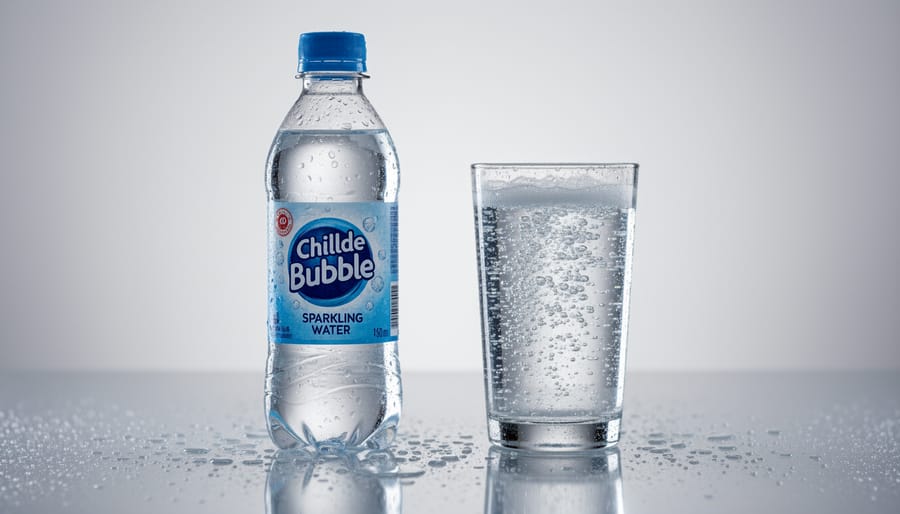
Bubble sparkling water occupies a distinct niche in the carbonated water spectrum, defined primarily by its aggressive carbonation levels. Where standard sparkling water typically sits around 2.0 to 3.0 volumes of CO2, bubble sparkling water pushes into territory brewers recognize from highly carbonated styles, often reaching 3.5 to 4.5 volumes. That’s the same carbonation range you’d find in a Belgian tripel or a hefeweizen, creating an intensely effervescent mouthfeel that sets these products apart from their milder cousins.
The production methods parallel what happens in your fermentation chamber. Some brands use forced carbonation, injecting CO2 under pressure at cold temperatures, identical to kegging a homebrew. Others source naturally carbonated water from mineral springs, where dissolved CO2 occurs geologically, much like the natural carbonation brewers achieved in pre-industrial brewing through bottle conditioning. The difference lies in control and consistency. Forced carbonation allows manufacturers to dial in precise CO2 volumes, while natural sources depend on the spring’s inherent mineral content and dissolved gas levels.
What brewers notice immediately is the bubble size and persistence. Higher carbonation creates smaller, more numerous bubbles that cling to the glass and deliver that sharp, prickly sensation on the tongue. It’s the same physics that makes a well-carbonated IPA dance in the glass. Mineral content plays a supporting role here, too. Waters with higher total dissolved solids can affect bubble nucleation and perception of carbonation, concepts any brewer tweaking water chemistry for a crisp pilsner understands instinctively. The category thrives on delivering maximum fizz and a clean finish, positioning itself as the sparkling water for people who want their carbonation to announce itself with authority.
The Carbonation Science Brewers Already Know
When you’ve spent time carbonating your beer you’ve already mastered the core science behind quality bubble sparkling water. The principles that govern a perfectly conditioned IPA apply equally to that crisp sparkling water you crack open between brewing sessions. Understanding these fundamentals helps you evaluate any carbonated beverage with the same critical eye you bring to your homebrew.
The language of carbonation is universal. Whether you’re force-carbonating in a keg or assessing a premium sparkling water, the same measurements and concepts apply:
- Volumes of CO2
- The measurement of dissolved carbon dioxide in liquid, typically ranging from 2.0-2.6 volumes for most beers and 3.5-4.5 volumes for sparkling water. One volume equals the liquid’s capacity to hold its own volume in CO2 gas at standard temperature and pressure.
- PSI (Pounds per Square Inch)
- The pressure required to maintain carbonation at a given temperature. Higher PSI pushes more CO2 into solution, while lower pressure allows gas to escape, the same principle whether you’re setting your regulator for a Czech pilsner or understanding how sparkling water maintains its fizz.
- Temperature Control
- Colder liquids absorb and hold CO2 more effectively than warm ones. The carbonation sweet spot you know from cold-crashing your fermenter applies identically to sparkling water production and serving temperature.
- Bubble Size and Nucleation
- How CO2 comes out of solution determines mouthfeel, fine bubbles create creamy texture, larger bubbles produce aggressive fizz. The nucleation sites in your glass that release those perfect streams of bubbles work the same way in both beer and sparkling water.
The mouthfeel you chase in brewing translates directly to sparkling water quality. A well-carbonated lager has that pleasant prickle without harsh bite, achieved through balanced CO2 volumes and proper conditioning time. Quality bubble sparkling water aims for the same refined texture, enough effervescence to be lively and refreshing, but not so aggressive it overwhelms your palate.
Temperature plays the role you’d expect. Just as you wouldn’t serve a saison at 34°F, sparkling water hits its stride when properly chilled but not ice-cold. The carbonation expresses itself more aggressively when too warm, turning pleasant fizz into sharp bite. Your experience managing serving temperatures for different beer styles gives you an intuitive grasp of how temperature shapes carbonated beverages of all kinds.
The real advantage for brewers is recognizing that carbonation quality isn’t accidental. When you encounter bubble sparkling water with exceptional mouthfeel, you’re experiencing the same careful attention to CO2 volumes, pressure management, and temperature control that goes into your best homebrew batches.
Why Beer Enthusiasts Are Embracing Sparkling Water
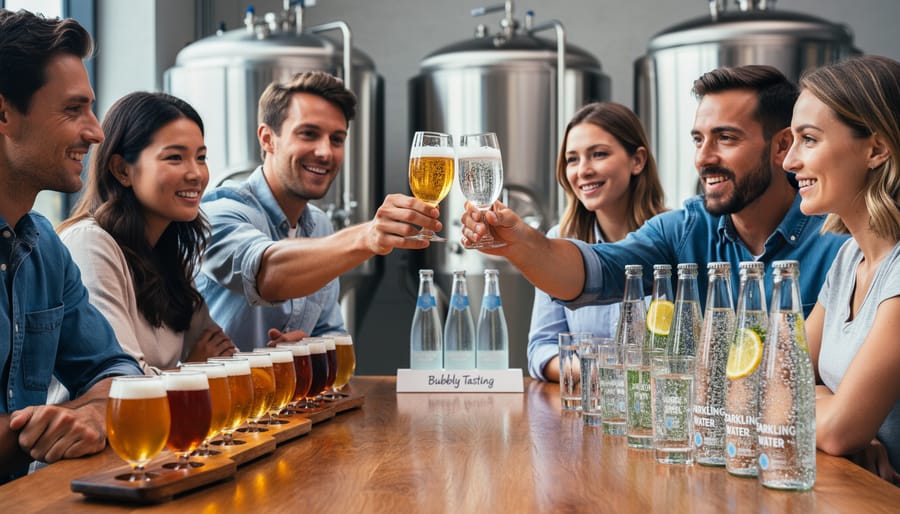
Walk into any brewery taproom these days and you’ll notice something interesting: a growing number of beer aficionados sipping sparkling water between pours. This isn’t about cutting back on the beer they love. It’s about drinking smarter and longer.
Experienced tasters have always known that palate fatigue is real. After three or four high-IBU IPAs or barrel-aged stouts, your taste receptors need a reset. Sparkling water delivers that clean slate without the bloat of still water, and the carbonation provides a familiar mouthfeel that doesn’t jar you out of the tasting experience. Think of it as the sorbet course between flights.
The sessionable appeal matters too. When you’re spending an afternoon at your favorite brewpub or hosting a homebrew tasting, you can’t realistically drink beer continuously for four hours. Bubble sparkling water slots in perfectly as the between-rounds option, keeping the social ritual alive without the alcohol accumulation. It’s become the designated driver’s choice that doesn’t feel like settling.
This shift reflects broader consumer preferences. The non-alcoholic beverages market, which includes bubble sparkling water alongside N/A craft beers and other alternatives, is projected to market to reach USD 1,185.30 billion by 2030. That trajectory signals a fundamental change: quality matters across the entire beverage spectrum, not just in what contains alcohol.
Beer enthusiasts are applying the same discerning standards they bring to hop selection and fermentation profiles to everything they drink. When you’ve trained your palate to detect diacetyl at threshold levels, you’re not going to settle for flat, metallic-tasting water. You want carbonation that’s crisp, clean, and purposeful.
Colorado’s Sparkling Water Scene Meets Craft Beer Culture
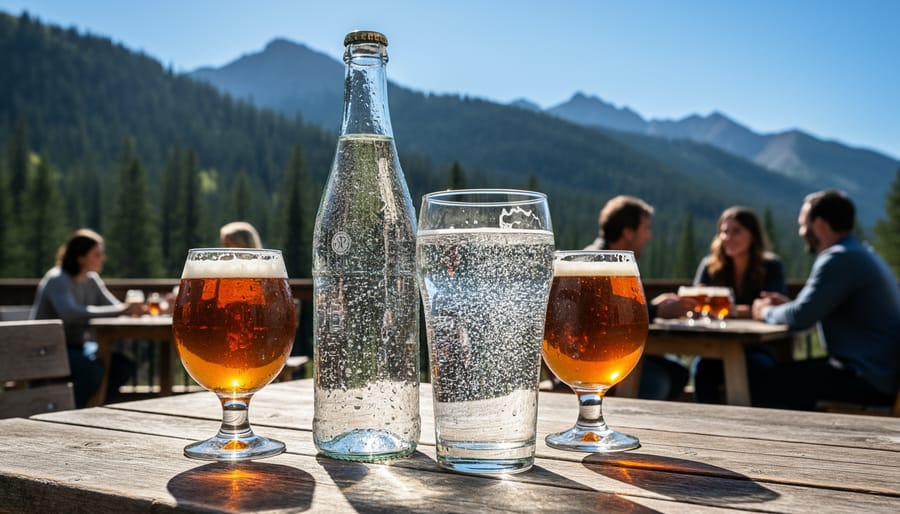
Colorado’s craft beer scene didn’t just teach us to appreciate hops and malt, it instilled a broader reverence for quality beverages, full stop. That same discerning approach now extends to the sparkling water cooler at your local brewery taproom or the bottles tucked into hikers’ packs along the Front Range trails.
Altitude changes the carbonation game. At 5,280 feet in Denver, or higher in the mountains, CO2 behaves differently, something every homebrewer wrestling with bottle conditioning already knows. That knowledge translates directly to appreciating a well-carbonated sparkling water when you’re acclimating on a fourteener or recovering from a long brew day. The bubbles feel sharper, the hydration hits different, and brewers notice.
Local taprooms increasingly stock quality sparkling water alongside their house beers, not as an afterthought but as a deliberate pairing option. Bartenders recommend it for palate resets between flights, and brewers reach for it during long tasting sessions. It’s the same respect given to any beverage that shares the carbonation lineage with beer.
Some Colorado brewers are taking it further, experimenting with carbonated water in their own brewing processes, testing dilution rates for high-gravity beers, evaluating mineral profiles for water chemistry adjustments, or simply using it as a control when dialing in kegging pressure. The crossover isn’t accidental. When you’ve spent years perfecting CO2 volumes in a saison, you can’t help but apply those standards everywhere, even to the sparkling water you drink between batches.
Colorado’s outdoor culture demands hydration, and its beer culture demands quality. Bubble sparkling water sits right at that intersection.
What to Look for When Choosing Bubble Sparkling Water
When you’re scanning the beer aisle for your next brew, you evaluate every detail. Apply that same critical eye to bubble sparkling water, and you’ll find a surprisingly rewarding tasting experience.
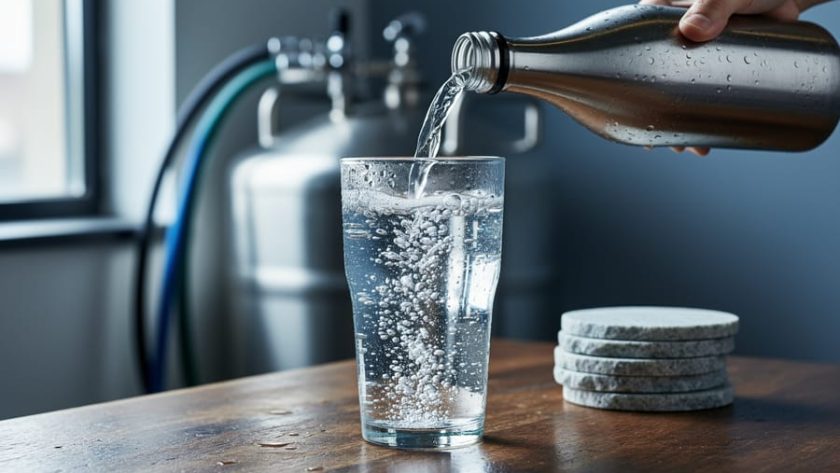
Start with carbonation intensity, measured in volumes of CO2 just like beer. Quality bubble sparkling water typically sits between 3.5 and 4.0 volumes, comparable to a well-carbonated lager. Pour it into a glass and watch the bubbles. They should be fine and persistent, rising in steady streams rather than dissipating immediately. Aggressive, large bubbles that fade quickly suggest rushed carbonation or storage issues. If you use a hydrometer for brewing, you already understand how dissolved CO2 affects mouthfeel; look for that same crisp, tingling sensation without harshness.
Mineral content shapes flavor as much as it does in brewing water. Check the label for total dissolved solids (TDS) and the balance of calcium, magnesium, and sodium. A TDS between 150 and 500 ppm often delivers the most interesting character without overwhelming your palate. Higher mineral content creates a fuller mouthfeel and more pronounced flavor, while ultra-low mineral water feels thin and neutral. Some brands source from mineral springs, others add minerals for consistency, neither approach is inherently better, but the result should taste clean and balanced.
Evaluate flavor the way you’d assess beer: nose it first, noting any off-aromas. The water should smell fresh and neutral, or carry subtle mineral notes if heavily mineralized. On the palate, quality bubble sparkling water finishes clean with no chemical aftertaste or metallic tang. If it’s flavored, the essence should be natural and integrated, not artificial or cloying.
Trust your brewer’s palate. You know what well-executed carbonation tastes like.
Common Questions About Bubble Sparkling Water
Brewers who’ve spent years perfecting their carbonation game often approach bubble sparkling water with the same analytical mindset they bring to evaluating beer. The questions that come up most frequently reveal just how closely the two worlds overlap, from the science of dissolved CO2 to the impact on your palate between pours.
How does carbonation in sparkling water compare to beer?
Most bubble sparkling water sits around 4-5 volumes of CO2, noticeably higher than the typical 2.2-2.7 volumes in most ales and even surpassing many lagers at 2.5-3.0 volumes. This creates that signature aggressive effervescence and sharper carbonic bite you notice immediately on the tongue.
Can drinking sparkling water between tastings affect palate sensitivity?
The high carbonation can temporarily dull your palate if consumed right before evaluating beer, but it also cleanses effectively when used strategically. Time it right, giving yourself a couple minutes after sparkling water before your next tasting, and you’ll actually reset your palate without the dulling effects.
What’s the difference between natural and added carbonation?
Natural carbonation comes from underground springs already containing dissolved CO2, while added carbonation involves injecting CO2 during production, similar to force carbonating a keg. The mouthfeel differs slightly, natural carbonation often feeling softer and more integrated, though well-executed forced carbonation can achieve comparable results with precise pressure control.
Is water quality as critical for sparkling water as it is for brewing?
Absolutely. Mineral content affects flavor just as dramatically in sparkling water as it does in your mash. Sulfate levels, calcium, magnesium, and total dissolved solids all shape the final taste, which is why premium bubble sparkling water brands highlight their source water chemistry the same way brewers obsess over water profiles.
The temperature at which you serve sparkling water matters too, another lesson straight from the brewhouse. Colder temperatures hold CO2 better and create a crisper sensation, while slightly warmer sparkling water releases carbonation faster and can feel flatter even when it contains the same CO2 volume. You’re already managing these variables every time you carbonate and serve a homebrew, so evaluating bubble sparkling water simply applies that same expertise to a different category. When you start noticing how mineral content interacts with carbonation levels or how different brands achieve distinct mouthfeel through varied CO2 volumes, you’re using the exact analytical framework that makes you a better brewer.
Your brewing knowledge doesn’t stop at the fermenter. The same eye you bring to evaluating hop utilization, mouthfeel, and carbonation levels applies just as well to every carbonated beverage you drink. Whether you’re dialing in the perfect volumes of CO2 in your latest pale ale or selecting a quality sparkling water for your next tasting session, the principles remain the same: carbonation quality matters, water chemistry shapes the experience, and thoughtful production makes all the difference.
Bubble sparkling water isn’t just another beverage trend, it’s a category that rewards the same discernment brewers already practice. As the non-alcoholic beverages market continues its trajectory toward USD 1,185.30 billion by 2030, products that prioritize carbonation science and mineral balance will stand out to those who know what to look for. Your palate, trained by countless batches and tastings, gives you an edge most casual drinkers don’t have.
Apply that expertise broadly. Evaluate every carbonated beverage with the same critical approach you bring to homebrew, and you’ll find quality in unexpected places. That’s the real payoff of understanding carbonation science, it enriches every sip, every time.