Showing: 1 - 6 of 6 RESULTS
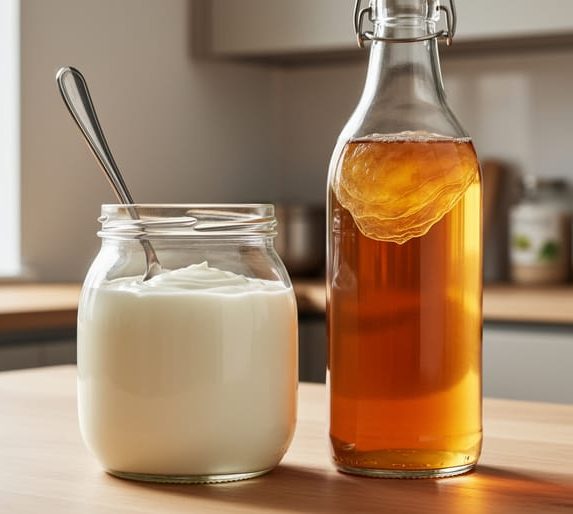
Close-up of homemade yogurt and kombucha fermenting in glass jars on a wooden countertop, with a SCOBY visible in the kombucha bottle.

Comment Faire du Yaourt Maison: Recette Facile et Fermentation Kombucha

Making yogurt and kombucha at home requires nothing more than live cultures, temperature control, and patience. Both ferments leverage the same microbial principles homebrewers already understand, temperature-sensitive bacteria and yeast transforming simple ingredients into complex, probiotic-rich foods. You’ll spend about 15 minutes of active work for yogurt and 20 minutes for kombucha, then let fermentation do the heavy lifting over 8-12 hours and 7-14 days, respectively.
If you’ve ever managed a yeast starter or monitored fermentation temps, you already possess the core skills. The difference? Instead of Saccharomyces…
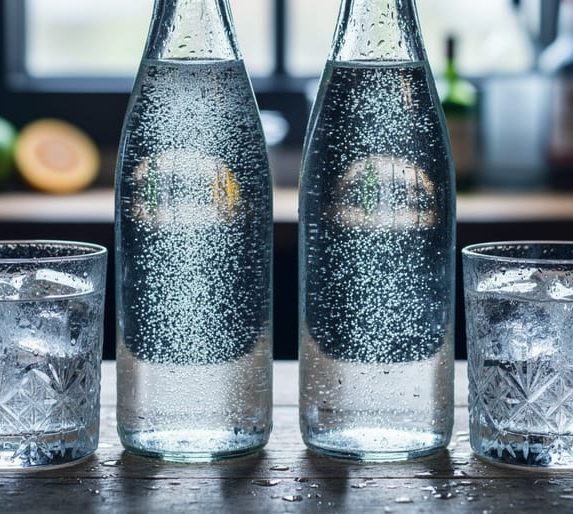
Two chilled carbonated water bottles and glasses with condensation and rising bubbles on a bar countertop under soft daylight.

What’s the Difference Between Club Soda and Sparkling Water? (And How They Work)

No, club soda and sparkling water aren’t the same, though the difference comes down to what happens after carbonation. Both are carbonated water at their core, but club soda contains added minerals like sodium bicarbonate, potassium sulfate, and sometimes sodium chloride, while sparkling water is simply natural water with gas added to it.
For brewers and cocktail enthusiasts, this distinction matters more than you might think. That subtle mineral addition gives club soda a slightly sharper, more neutral taste that can affect how it interacts with other ingredients, whether you’re building a beer cocktail or adjusting …

Clear glass fermentation carboy with pale beer and foam, stainless brewing kettle, and a bowl of bright fruit puree on a homebrewing workbench.

How to Brew Fruit Sour Beer: A Complete Step-by-Step Guide

Brewing fruit sour beer at home means pitching Lactobacillus or Pediococcus alongside Saccharomyces yeast, letting the mixture ferment for six to twelve months, then adding fruit puree during secondary fermentation to balance tart acidity with bright, natural sweetness. The process requires patience, temperature control between 65-75°F during souring, and careful sanitation to prevent unwanted bacteria from taking over your batch. You’ll spend about three hours on brew day, another hour adding fruit later, and the rest is waiting while biology does the work.
The reward for that patience is a glass of something truly special. …

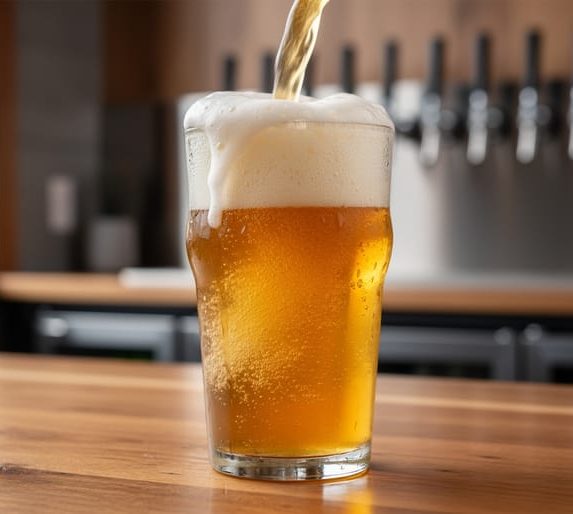
Fresh pour of non-alcoholic craft beer with thick foam in a pint glass at a Colorado brewery bar.

What Are N/A Craft Beers (and How Do They Work)?

N/A craft beers are full-flavored, artisan-brewed beers that contain less than 0.5% alcohol by volume, crafted using the same quality ingredients and brewing techniques as their alcoholic counterparts but with the alcohol removed or minimized through specialized processes. Think of them as the real deal minus the buzz: these aren’t your grandfather’s fizzy, watery non-alcoholic beers that tasted like cardboard dipped in regret.
The non-alcoholic beer revolution has hit Colorado and the broader craft beer scene hard in 2026, and it’s about time. Brewers are finally treating N/A options with the same respect they&#…

Craft beer bottles and a glass of ruby wine on a wooden table with grapes and wine accessories, styled to suggest kosher-certified artisanal production.

What Is K Craft Beer and Wine (and How Does It Work)?

K craft beer and wine refers to kosher-certified craft beverages that meet Jewish dietary laws while maintaining the quality standards and artisanal production methods that define the craft movement. The “K” designation (or sometimes “OU,” “OK,” or other symbols) indicates a product has been produced under rabbinical supervision, ensuring ingredients, equipment, and processes comply with kashrut requirements.
For craft beverage enthusiasts, kosher certification opens up an intriguing intersection of tradition and innovation. While mass-market kosher wines have been available for decades, the craft…

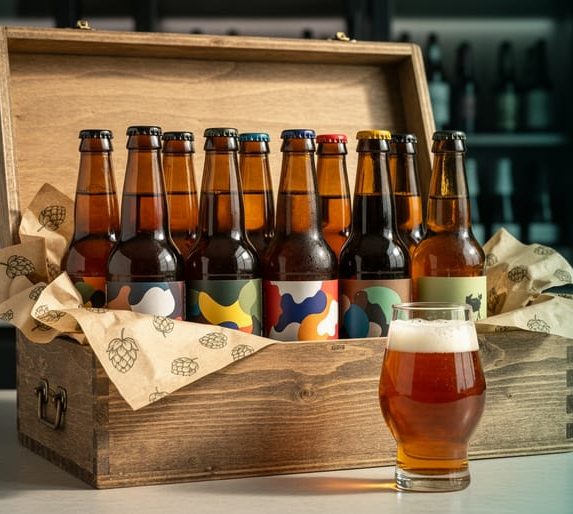
An open craft beer subscription box with assorted beer bottles and a tasting glass on a kitchen counter, shot in a warm editorial style.

The Beer Subscription Box That Actually Understands Your Taste

Picture this: twelve unique craft beers arrive at your doorstep each month, carefully selected from breweries you’ve never heard of but are about to fall in love with. That’s the promise of beer subscription boxes in 2026, and the industry has evolved far beyond random assortments of mediocre IPAs.
The subscription model has matured into something genuinely valuable for both casual drinkers and serious beer students. You’re no longer gambling on mystery boxes filled with distributor leftovers. Today’s best services curate experiences …