 jennie
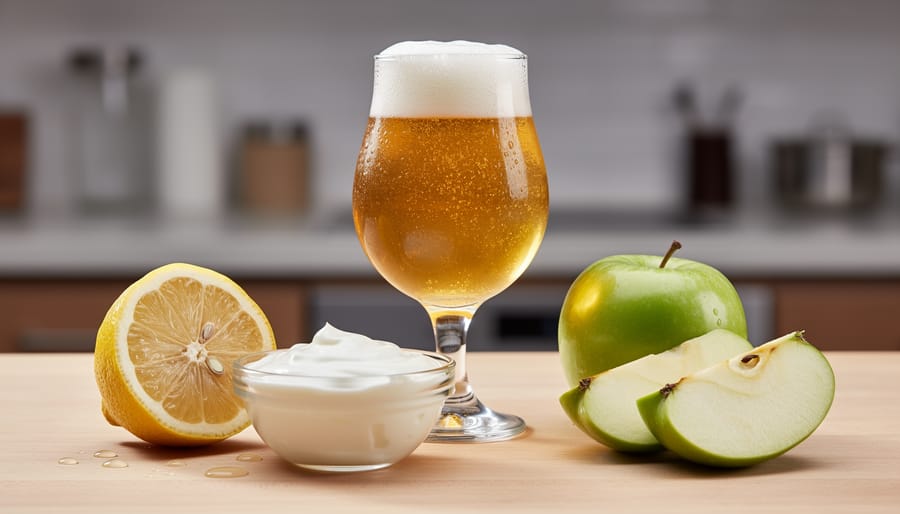
Sour beer tastes tart, tangy, and acidic, with flavors ranging from bright lemon and green apple to funky barnyard notes and complex oak-aged depth. Think crisp yogurt, unsweetened lemonade, or even kombucha, but in beer form with all the carbonation and malt backbone you’d expect from a quality brew.
If you’ve hesitated to grab that jewel-toned bottle at your local taproom, you’re not alone. Sour beers represent one of craft brewing’s most polarizing yet fastest-growing categories, and their taste profile sits miles away from the hop-forward IPAs and clean lagers that dominate Colorado taps. The sourness comes from controlled wild fermentation, where brewers intentionally introduce bacteria like Lactobacillus and Pediococcus or wild yeast strains such as Brettanomyces. These microorganisms produce lactic acid and acetic acid during fermentation, creating that signature pucker.
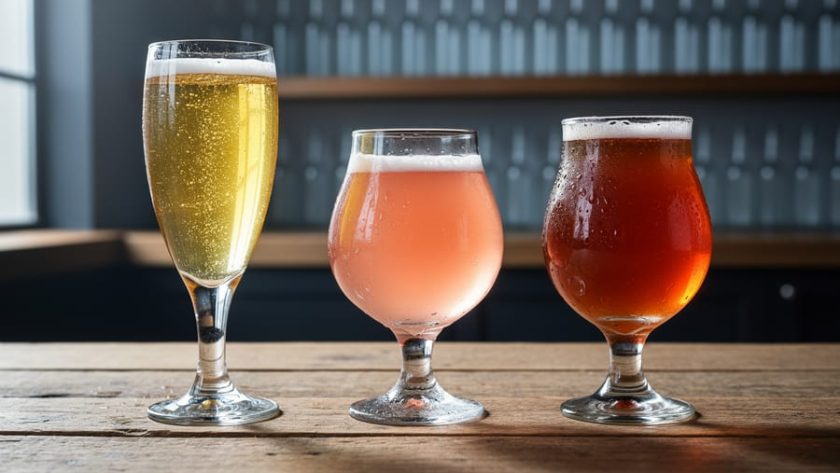
But “sour” is an umbrella term that covers everything from sessionable Berliner Weisses with gentle citrus notes to barrel-aged Flanders Reds packed with cherry tartness and oak tannins. The actual flavor you encounter depends heavily on the style, the microbes involved, and how long the beer aged. Some sours finish bone-dry and wine-like, while others balance their acidity with fruit additions or residual sweetness.
Whether you’re considering your first sour purchase or contemplating a homebrewing project, understanding these flavor nuances will help you find the right beer for your palate and know exactly what to expect when you crack open that bottle.
What Sour Beer Tastes Like: A Flavor Definition
Sour beer tastes like a sharp, tart wake-up call for your palate. Imagine biting into a crisp green apple or sipping fresh lemonade without added sugar, that’s the core experience. The primary sensation is acidity, a bright, mouth-puckering quality that ranges from a gentle tang to an intense, lip-smacking sourness that makes your cheeks tingle. Unlike the hoppy bitterness in an IPA (which hits the back of your tongue), sourness creates a prickly, salivating sensation across your whole mouth, similar to eating plain yogurt or sampling kombucha.
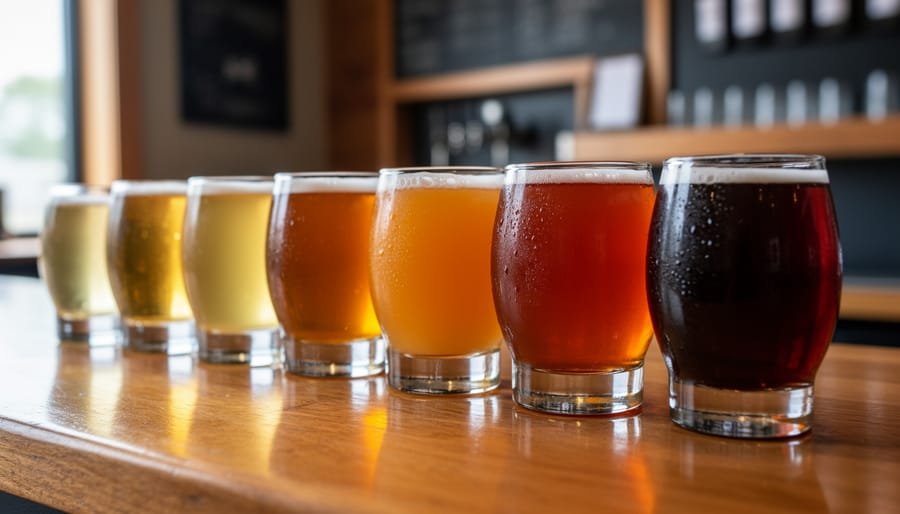
The intensity varies wildly. Some sours, like a Berliner Weisse, deliver a mild, refreshing tartness comparable to lightly sweetened lemonade, perfect for summer afternoons. Others, particularly barrel-aged lambics or wild ales, bring an assertive pucker that rivals biting into a tart cherry or squeezing a lime wedge directly onto your tongue. First-timers often describe the experience as “surprising” or even “shocking,” but most find the initial intensity gives way to fascinating complexity.
- Tartness
- The sharp, acidic sensation that makes your mouth water, similar to citrus fruits or vinegar, ranging from subtle to intensely puckering.
- Acidity
- The measurable sourness from organic acids (primarily lactic acid) that creates the characteristic tang and brightness in sour beers.
- Funk
- Earthy, barnyard-like, or musty flavors often described as “wild” or “rustic,” adding complexity beyond simple sourness.
- Brett Character
- Distinctive flavors from Brettanomyces yeast including tropical fruit, leather, hay, or horse blanket notes that contribute to a beer’s funky profile.
- Clean Sourness
- Bright, crisp acidity without funky or barnyard notes, typically from controlled Lactobacillus fermentation in kettle-soured styles.
What makes sour beer fundamentally different from conventional beers isn’t just the absence of hop bitterness, it’s the presence of deliberate acidity. Traditional beer balances malt sweetness with hop bitterness. Sour beer replaces that bitter backbone with tart, acidic sharpness, often layered with fruity, funky, or earthy notes depending on the brewing method. Some sours taste clean and straightforward, showcasing pure lemon-lime brightness. Others develop barnyard funk, Brett-driven tropical fruit notes, or oak-influenced vanilla and tannin complexity. The spectrum runs from crushable summer refreshers to contemplative, wine-like experiences that demand your full attention.
How Sour Beer Gets Its Taste: The Science Behind the Pucker
The Role of Bacteria and Wild Yeast
The distinctive tang of sour beer comes down to microscopic workhorses that fundamentally reshape the brewing process. Two families of lactic acid-producing bacteria Lactobacillus and Pediococcus, are the primary acid generators. Lactobacillus works fast and delivers a sharp, clean sourness reminiscent of fresh yogurt or tart lemonade. It thrives in warmer temperatures and can sour a beer in as little as 24 to 48 hours during kettle souring. Pediococcus, on the other hand, operates more slowly and often teams up with wild yeast during extended barrel aging. It produces lactic acid alongside diacetyl, which contributes a slick mouthfeel and sometimes a buttery note that mellows over time.
Then there’s Brettanomyces, the wild yeast that transforms sour beer from simply acidic into something genuinely complex. Brett ferments sugars that standard brewer’s yeast leaves behind, generating earthy, funky, fruity esters. Depending on the strain and fermentation conditions, it can taste like pineapple, hay, leather, barnyard, or stone fruit. In Colorado breweries experimenting with mixed-culture fermentation, Brett often gets months or even years to work its magic in oak barrels, layering flavors that evolve with every sip. The interplay between bacteria-driven acidity and Brett’s aromatic wildness creates the depth that makes sour beer endlessly fascinating.
Brewing Methods That Shape Flavor
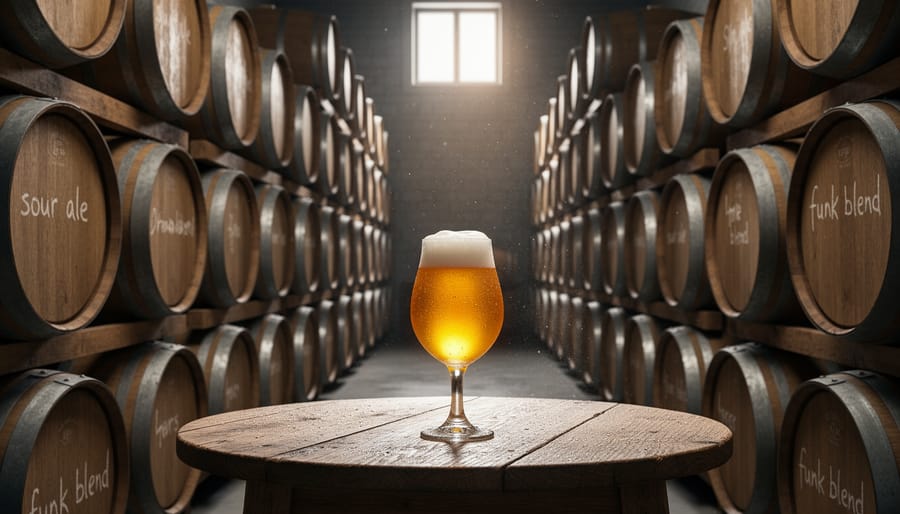
Kettle souring has revolutionized how brewers create sour beer, delivering bright tartness in days instead of years. In this method, brewers add Lactobacillus directly to the wort before boiling, keeping the unhopped liquid at around 95-110°F for 24-72 hours. The bacteria multiply rapidly, producing lactic acid that creates a clean, lemony sourness. Once the desired acidity is reached, brewers boil the wort to kill the bacteria, then proceed with normal fermentation using regular ale yeast. The result is a predictably tart beer with minimal funkiness, perfect for fruit additions. Berliner Weisse and many modern American sours rely on this technique because it gives homebrewers and commercial breweries tight control over flavor.
Barrel aging and spontaneous fermentation take the opposite approach, requiring patience and trust in wild microbes. Traditional lambic brewers in Belgium cool their wort in open vessels called coolships, allowing native yeasts and bacteria from the air to inoculate the beer. The liquid then ages in oak barrels for months or years while Brettanomyces, Pediococcus, and various Lactobacillus strains slowly transform it. This extended timeline allows complex chemical reactions: Brett breaks down sugars that regular yeast can’t touch, producing earthy and fruity esters. Pediococcus adds its own acidity, while oak barrels contribute tannins and allow micro-oxygenation. The flavors layer and integrate, creating depth that ranges from barnyard funk to stone fruit to wine-like complexity. Temperature fluctuations across seasons actually help, cycling microbes through active and dormant phases that build character impossible to rush.
The Flavor Spectrum: Types of Sour Beer Tastes
Clean and Fruity Sours
Clean and fruity sours represent the most approachable entry point into sour beer. Think of a Berliner Weisse on a summer afternoon, it’s like drinking an adult lemonade, with a crisp, bright tartness that refreshes rather than overwhelms. Kettle souring produces this clean acidity quickly, typically within 24-48 hours, delivering lemon-zesty punch without the funky complexity of barrel-aged styles.
These sours shine when brewers add fruit during or after fermentation. Raspberry, passion fruit, mango, and blackberry are popular choices because their natural sweetness balances the tartness beautifully. The result tastes like tart fruit candy, zingy but smooth, with a soft body and low bitterness. Some Colorado breweries layer multiple fruits to create tropical or berry medleys that drink like juice yet maintain beer’s refreshing carbonation.
If you want to brew fruit sours at home, kettle souring makes it achievable in days rather than months. The straightforward tartness lets fruit flavors take center stage, making these sours perfect for introducing skeptics to the style or enjoying poolside when you need something light and thirst-quenching.
Salty and Herbal Sours
Gose stands apart in the sour beer world with its distinctive salty-tart profile that surprises first-time drinkers. This German-style wheat beer delivers a gentle acidity reminiscent of salted lime, balanced by a whisper of coriander’s citrusy spice. The salt addition isn’t overpowering, think of it as the difference between lightly salted pretzels and potato chips. It enhances the beer’s refreshing quality rather than making it taste like seawater.
The coriander contributes subtle lemon-peel notes that complement the tartness without dominating. Together, these elements create a beer that tastes simultaneously bright, crisp, and slightly savory. Many Colorado breweries add creative twists to the classic formula, incorporating ingredients like cucumber, watermelon, or basil that play beautifully with the salty-herbal foundation.
This style works exceptionally well on hot days, pairing naturally with seafood, fresh oysters, or light salads. The moderate sourness makes Gose an ideal gateway for craft beer drinkers curious about sours but hesitant to dive into intensely funky territory.
Funky and Complex Sours
Lambics, Flanders ales, and barrel-aged American wild ales occupy the deep end of the sour beer pool, where patience and complexity reign. These styles develop their character over months or years in oak barrels, where wild Brettanomyces yeast and bacteria work their magic alongside oxygen exposure and wood influence.
The flavors here venture far beyond simple tartness. Brett brings earthy, funky notes, think horse blanket, hay, leather, or tropical fruit depending on the strain and fermentation conditions. Oak barrels contribute vanilla, tannins, and sometimes subtle oxidative sherry-like qualities. The acidity itself becomes softer and more integrated, weaving into a layered tapestry rather than hitting you upfront.
Belgian lambics showcase this complexity beautifully. Cantillon, Drie Fonteinen, and other traditional producers blend young and aged lambics to create balanced beers with wine-like dryness, barnyard funk, and delicate fruit character. Flanders red ales like Rodenbach add caramel malt sweetness that plays against the sourness, creating a sweet-tart balance reminiscent of balsamic vinegar.
American breweries have embraced this tradition with their own twists. Expect layers of stone fruit, citrus, oak, and Brett character in varying intensities. Some brewers even explore dark sour beer variations, adding roasted malt complexity to the funk and tartness.
These beers reward slow sipping and contemplation. The flavors shift as the beer warms, revealing new dimensions with each taste. First-timers might find the barnyard funk challenging, but many develop a deep appreciation for these sophisticated, challenging brews that blur the line between beer and wine.
What Sour Beer Is Used For: When and How to Enjoy It
Sour beer shines brightest when paired thoughtfully with food, sipped seasonally, or blended creatively in your homebrew projects. The tartness cuts through rich, fatty dishes and complements delicate flavors in ways traditional beer can’t match.
For food pairings, sour beer acts like a bridge between wine and beer. The acidity refreshes the palate similar to how a crisp white wine cleanses between bites. Consider these winning combinations:
- Goat cheese or aged cheddar with a citrusy Berliner Weisse, the tartness balances creamy, tangy cheese
- Fresh oysters or ceviche with a salty Gose, the herbal notes and acidity enhance briny seafood
- Duck confit or braised pork with a Flanders Red, the complex funkiness complements rich, savory meat
- Summer salads with vinaigrette paired with kettle sours, the beer echoes the dressing without clashing
- Dark chocolate desserts alongside barrel-aged wild ales, the fruity esters play off bitter cacao
Seasonally, lighter sours like Berliner Weisse and Gose dominate summer drinking. They’re crushable, refreshing, and lower in alcohol, making them perfect for patio sessions or post-hike rewards in Colorado’s high country. Heavier, barrel-aged sours suit cooler months when you want something contemplative to sip slowly by the fire. A 750ml bottle of lambic becomes an event, not a quick drink.
In the kitchen, sour beer adds depth to marinades, braises, and sauces. The acidity tenderizes meat while the funky notes layer complexity into stews. Try deglazing a pan with Gose after searing scallops, or add a fruity sour to a cherry reduction for duck breast. Homebrewers experimenting with fruit additions often cook with their trial batches that didn’t quite hit the mark.
Blending projects offer another dimension for adventurous homebrewers. Mix a clean kettle sour with a funky barrel-aged wild ale to create custom complexity. Balance an overly tart batch with a neutral base beer, or blend different fruit-forward sours for unique flavor combinations. Colorado’s craft scene embraces this creativity, and exploring various styles helps you find your sour preference profile. Whether you’re pairing with dinner, cooling down in July, or blending your latest homebrew experiment, sour beer rewards those who match the right style to the right moment.
Tasting Notes: What to Expect When You First Try Sour Beer
Your first sip of sour beer will likely make your mouth water and your cheeks tighten as tartness hits your taste buds. That initial pucker is normal and expected, similar to biting into a fresh lemon slice or tart cherry. Don’t fight the sensation; let it wash over your palate while you breathe through your nose to capture the full aroma.
As the beer moves across your tongue, notice how the flavors evolve. The sharp acidity you felt upfront begins to soften, revealing underlying fruit notes, subtle malt sweetness, or earthy Brett funkiness depending on the style. A well-made sour beer shows balance. The tartness shouldn’t obliterate every other flavor, but rather frame the beer’s complexity the way acidity brightens a vinaigrette.
The finish tells you a lot about quality. Good sours leave a clean, refreshing aftertaste that makes you want another sip. The acidity should fade gracefully without leaving a harsh chemical bite or lingering vinegar burn. Some funkier styles will coat your palate with a pleasant, earthy residue, but it should never taste unpleasantly dirty or rotten.
Watch for off-flavors that signal problems. Butter or butterscotch notes (diacetyl) suggest fermentation issues. Overwhelming vinegar character means acetic acid bacteria got out of hand. A genuine cheese or vomit smell indicates butyric acid contamination. These aren’t stylistic quirks, they’re flaws.
Train your palate by trying different styles side by side. Start with approachable kettle sours or fruited Berliners before tackling intense Lambics. Keep a tasting journal noting specific flavors and your reactions. You’ll develop a mental flavor map faster this way. If you prefer non-alcoholic options, some N/A craft beers now include sour styles, letting you explore tartness without the alcohol.
Serve sours slightly warmer than standard lagers, around 45-50°F, to unlock their full flavor spectrum. Cold temperatures mask the complexity you’re trying to appreciate.
Common Questions About Sour Beer Flavor
When you start exploring sour beers, certain flavor characteristics can catch you off guard. Understanding what’s intentional versus what might signal a problem helps you appreciate quality sours and avoid genuinely flawed bottles.
Is sour beer supposed to taste vinegary?
A slight vinegar note can be acceptable in some traditional styles, but sharp acetic acid (vinegar) usually indicates oxygen exposure or acetobacter contamination. Quality sours show clean tartness from lactic acid, not harsh vinegar bite.
Why do some sours taste cheesy or like a barnyard?
Brettanomyces yeast produces earthy, funky compounds that some describe as “horse blanket” or aged cheese. In Belgian lambics and Flanders ales, this character is traditional and prized, though it’s an acquired taste.
Are sours always fruit-flavored?
No. While many modern sours feature fruit additions, classic styles like unfruited Berliner Weisse, traditional Gose, and base lambics showcase pure tartness, grain character, and yeast-driven flavors without any fruit.
How sour is too sour?
If the acidity makes the beer genuinely unpleasant to drink or leaves your mouth feeling raw, it’s probably too aggressive. Well-made sours balance tartness with malt sweetness, fruit character, or other flavors rather than relying on pure pucker power.
The funk question trips up many newcomers. That barnyard character comes from phenolic compounds Brett produces during fermentation, and Colorado breweries like Crooked Stave have built their reputations on mastering this wild flavor dimension. What smells off-putting in the glass often transforms into fascinating complexity on the palate, adding layers of leather, hay, tropical fruit, and earth. Give it a chance before writing it off.
Vinegar flavor deserves scrutiny. Acetic acid develops when oxygen reaches fermenting beer, allowing acetobacter bacteria to convert ethanol into vinegar. Traditional lambic producers accept low levels because their spontaneous fermentation and barrel aging invite some oxygen contact, but modern kettle-soured beers should taste lemony and clean, never harsh or nail-polish-remover sharp. If a fresh sour tastes more like salad dressing than lemonade, something went wrong.
Fruit additions have become standard in American sour beer brewing, but they’re not mandatory. Base beer should stand on its own merits. Homebrewers sometimes use fruit to mask flaws or over-attenuation, but professional brewers balance fruit as an accent rather than a cover-up. Unfruited sours reveal the pure interplay of malt, acid, and yeast character without distraction.
Sour beers can indeed go bad. Bottle-conditioned sours with live cultures continue evolving, sometimes developing excessive acidity, oxidation, or autolysis flavors if stored poorly or aged too long. Keep bottles upright in a cool, dark space, and remember that not every sour improves with age. Fruit-forward styles often taste best fresh, while brett-driven barrel-aged sours reward patient cellaring.
The world of sour beer spans a remarkably wide flavor spectrum. You might start with a gently tart Berliner Weisse on a summer afternoon, then gradually work your way toward the funky complexity of a barrel-aged Flanders Red or spontaneously fermented lambic. Each style tells a different story through its acidity, from the clean pucker of kettle-soured ales to the layered, Brett-driven character that develops over years in oak.
Colorado’s craft brewing scene has embraced this diversity with enthusiasm. Breweries across the Front Range and beyond are experimenting with mixed fermentation, barrel programs, and innovative fruit additions that showcase both traditional European techniques and distinctly American creativity. Whether you’re sipping a local sour at a Denver taproom or planning your first homebrew attempt with Lactobacillus, you’re part of a vibrant community pushing boundaries.
For homebrewers, sour beer brewing offers a uniquely rewarding challenge. The patience required, the microbiology involved, and the complexity you can achieve make every successful batch feel like an accomplishment. Start simple with a kettle sour, learn the science behind the tartness, then let your ambitions grow as your palate develops.
Understanding what sour beer tastes like unlocks an entire dimension of beer appreciation that most drinkers never explore. The flavors might surprise you, challenge you, or immediately win you over. Either way, there’s always another style to discover, another brewery to visit, another batch to brew.